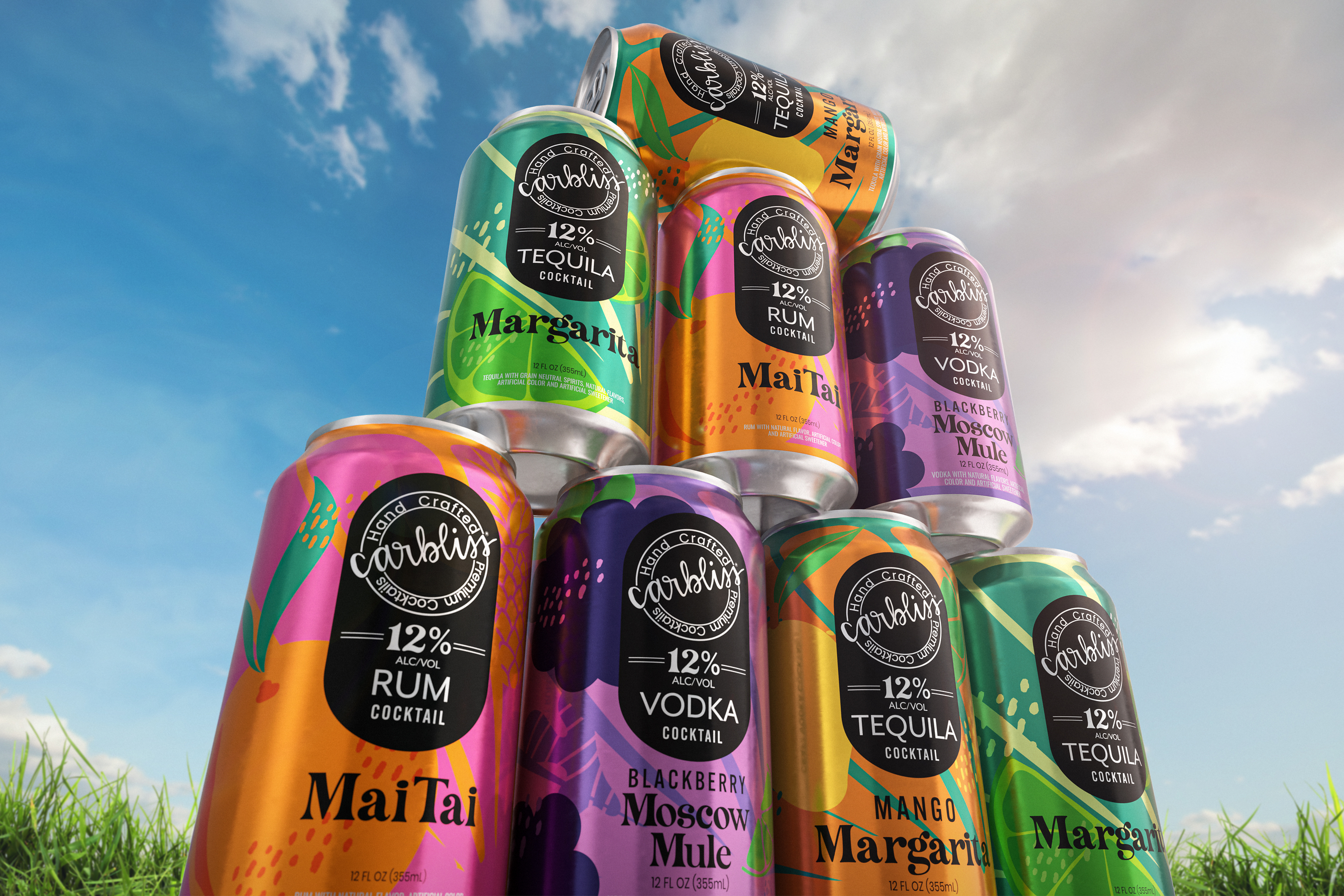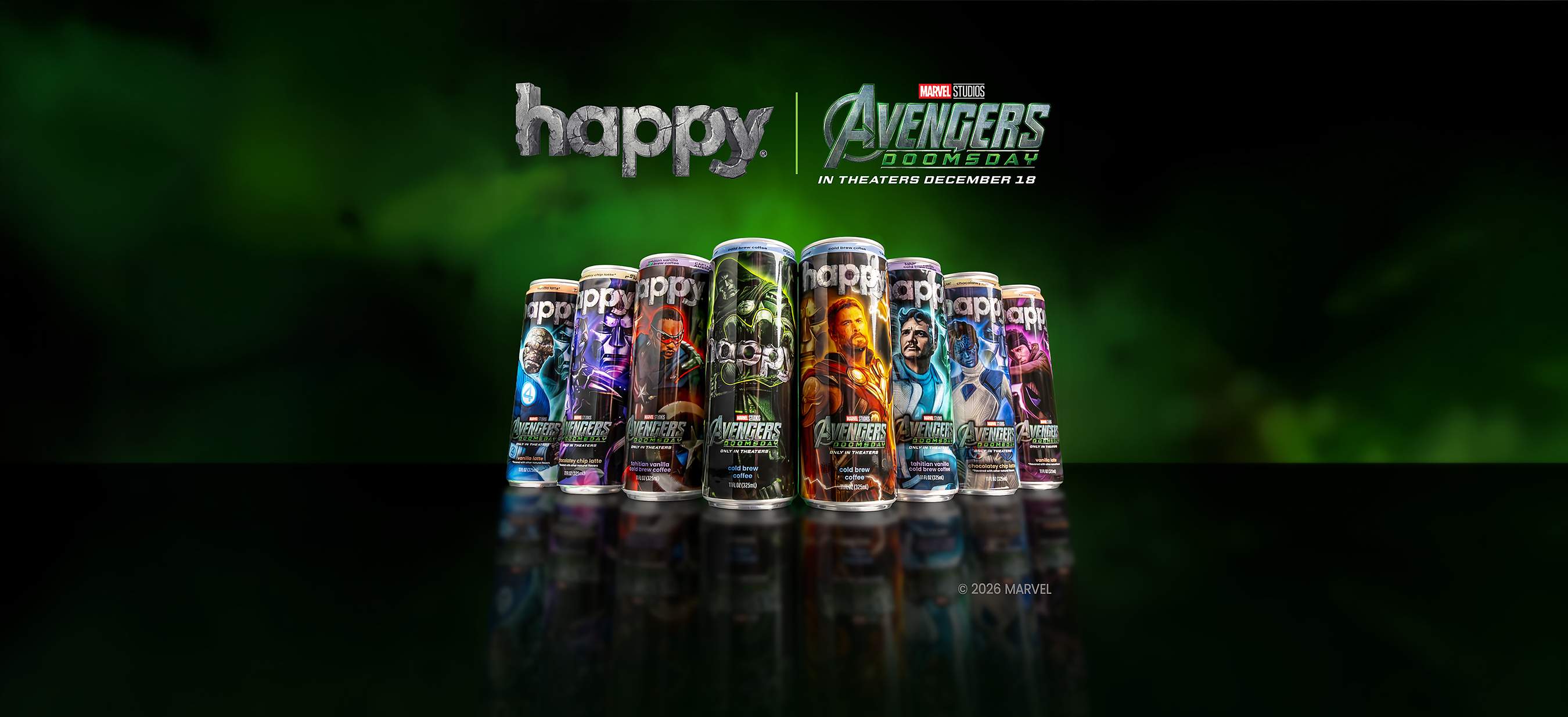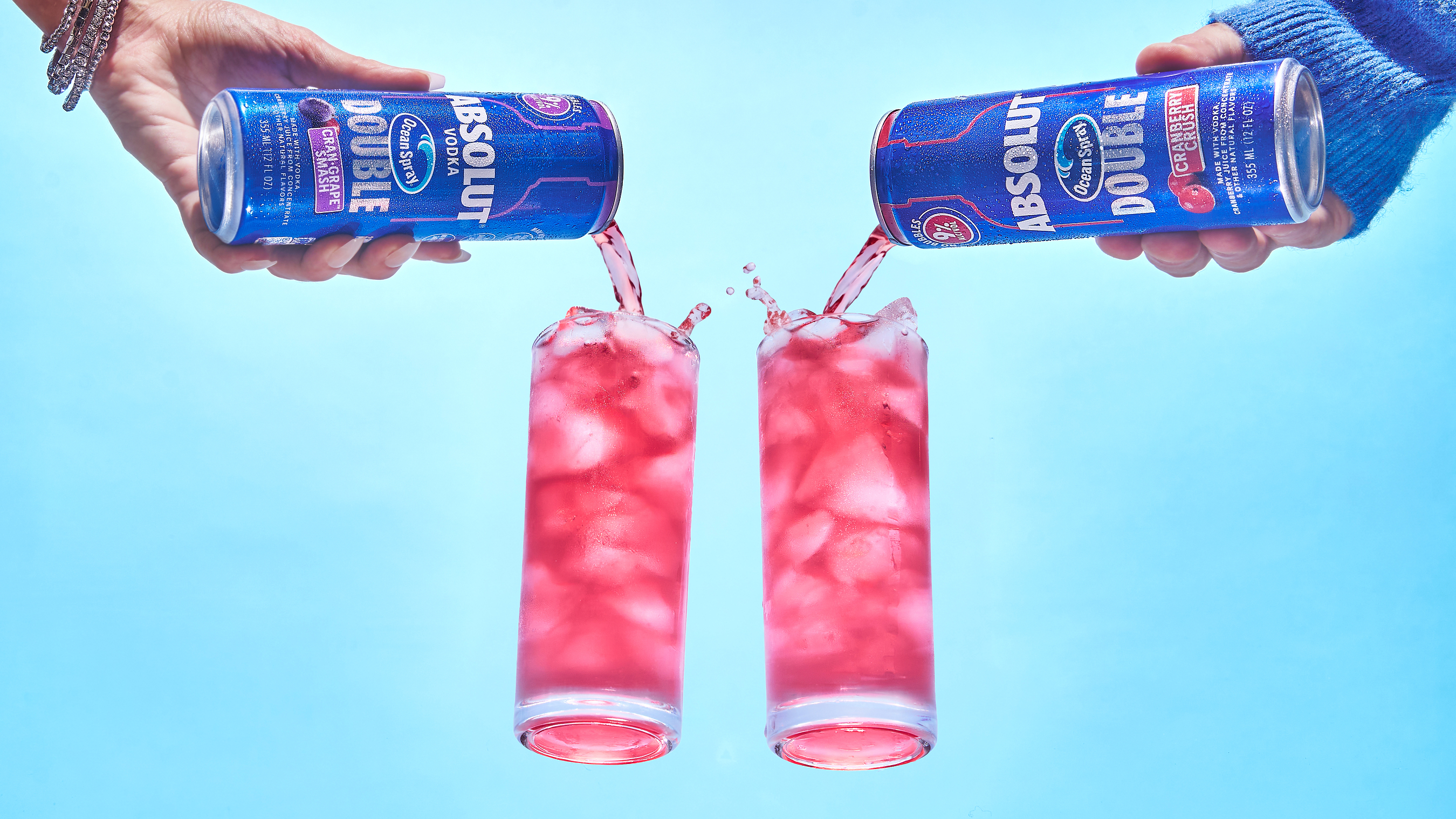
Ready-to-drink beverage suppliers and their wholesale partners are taking a closer look at pet-owner households as a distinct off-premise consumer segment, as lifestyle-driven co-marketing campaigns demonstrate measurable lift in trial and repeat depletions at retail. Industry data consistently shows that pet-owning households over-index on premium beverage purchases, making the demographic a logical target for RTD brands competing for planogram position in grocery, mass, and club channels.
While the segment has not yet generated a publicly disclosed case-equivalent volume benchmark, distributor feedback from regional wholesalers operating in the three-tier system suggests that SKUs tied to lifestyle co-branding—particularly campaigns anchored to entertainment IP with broad household reach—can generate end-cap placement and incremental feature activity that standalone price promotions rarely achieve. For RTD suppliers working through broadline distributors, securing that secondary placement is a meaningful depletion driver.
Route-to-market strategy in the RTD category increasingly depends on non-price mechanisms to differentiate at the point of sale. Co-pack and contract-brewing arrangements have made barrier to entry lower, compressing margins and intensifying competition for cold-chain shelf space. In that environment, IP-linked lifestyle campaigns offer suppliers a way to generate retail pull without eroding price integrity—a persistent tension in distributor-supplier annual planning cycles.
Supply-chain operators in the non-alc and better-for-you RTD segments are among the most active experimenters with lifestyle co-marketing, given that their route-to-market often bypasses the traditional three-tier system entirely via DTC and direct-to-retail arrangements. That flexibility allows faster execution of limited-time SKU programs tied to entertainment or cultural moments, though wholesaler partners have noted that off-premise retail buyers respond most favorably when campaign assets translate directly to in-store activation—think floor graphics, cold-vault clings, and dedicated end-cap displays rather than digital-only executions.
Market outlook for lifestyle-driven beverage co-marketing remains constructive heading into the second half of 2026. With excise tax burdens steady and input costs stabilizing after two years of inflationary pressure, suppliers have modestly more promotional budget flexibility. Distributors and retailers will be watching depletion velocity on any co-branded RTD programs tied to major summer entertainment releases to determine whether the format justifies expanded shelf commitments in the back half of the year.
Written by Michael Politz, Author of Guide to Restaurant Success: The Proven Process for Starting Any Restaurant Business From Scratch to Success (ISBN: 978-1-119-66896-1), Founder of Food & Beverage Magazine, the leading online magazine and resource in the industry. Designer of the Bluetooth logo and recognized in Entrepreneur Magazine's "Top 40 Under 40" for founding American Wholesale Floral, Politz is also the Co-founder of the Proof Awards and the CPG Awards and a partner in numerous consumer brands across the food and beverage sector.