Convenience has unseated health as the top purchase driver for American shoppers for the first time in 21 years, according to the 2026 Food & Health Survey from the International Food Information Council (IFIC) — a finding with direct implications for how beverage suppliers build portfolios and how distributors prioritize shelf and cold-chain placement.
The survey also flags the ultraprocessed foods (UPF) debate as an accelerating cultural force reshaping how consumers — and increasingly, retail buyers — define "healthy." For a beverage trade channel still riding the wave of functional, better-for-you, and low- or no-ABV formats, that definitional shift matters. Products positioned on health halos alone may face harder planogram conversations if the category itself is under a UPF spotlight.
Route-to-Market Implications
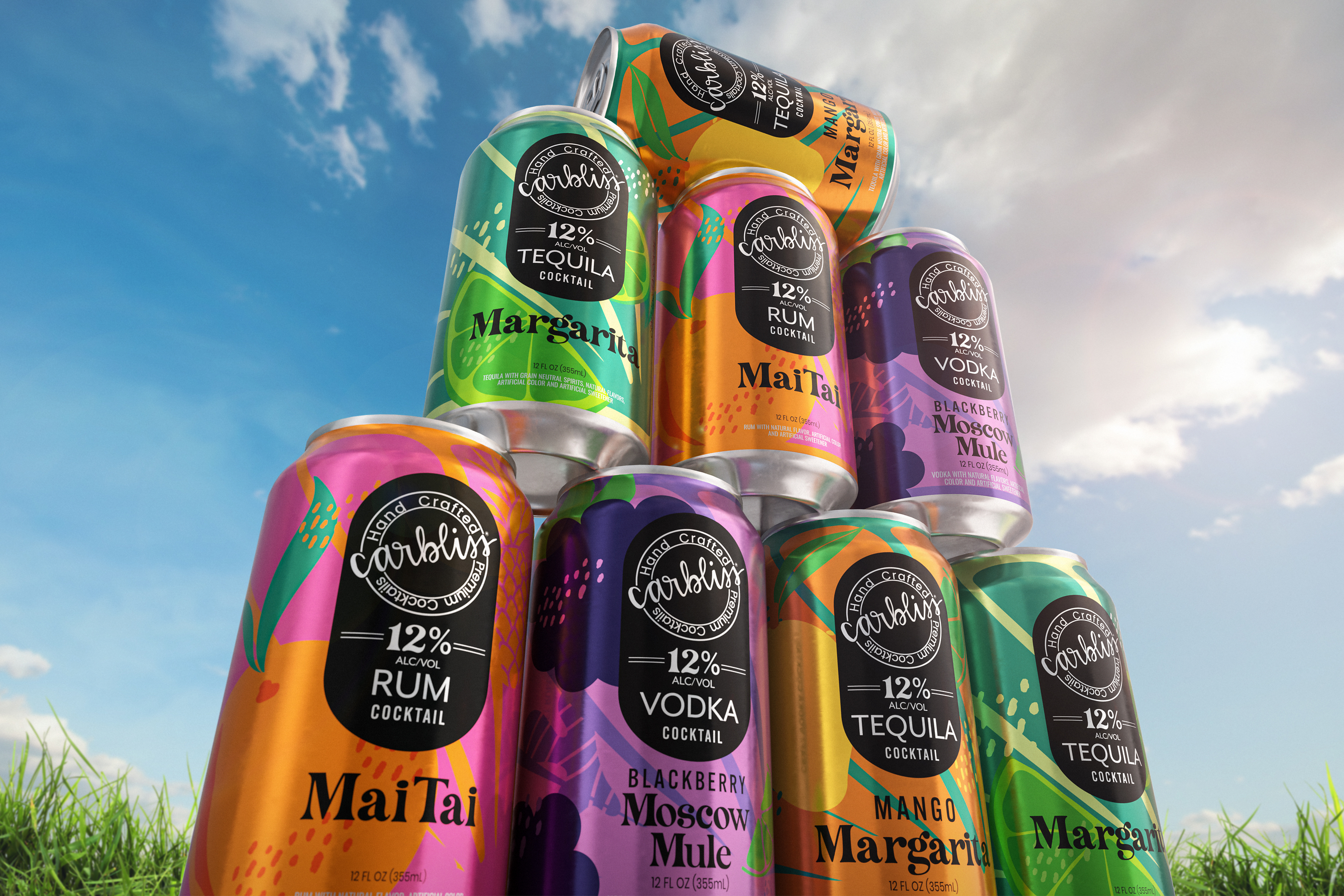
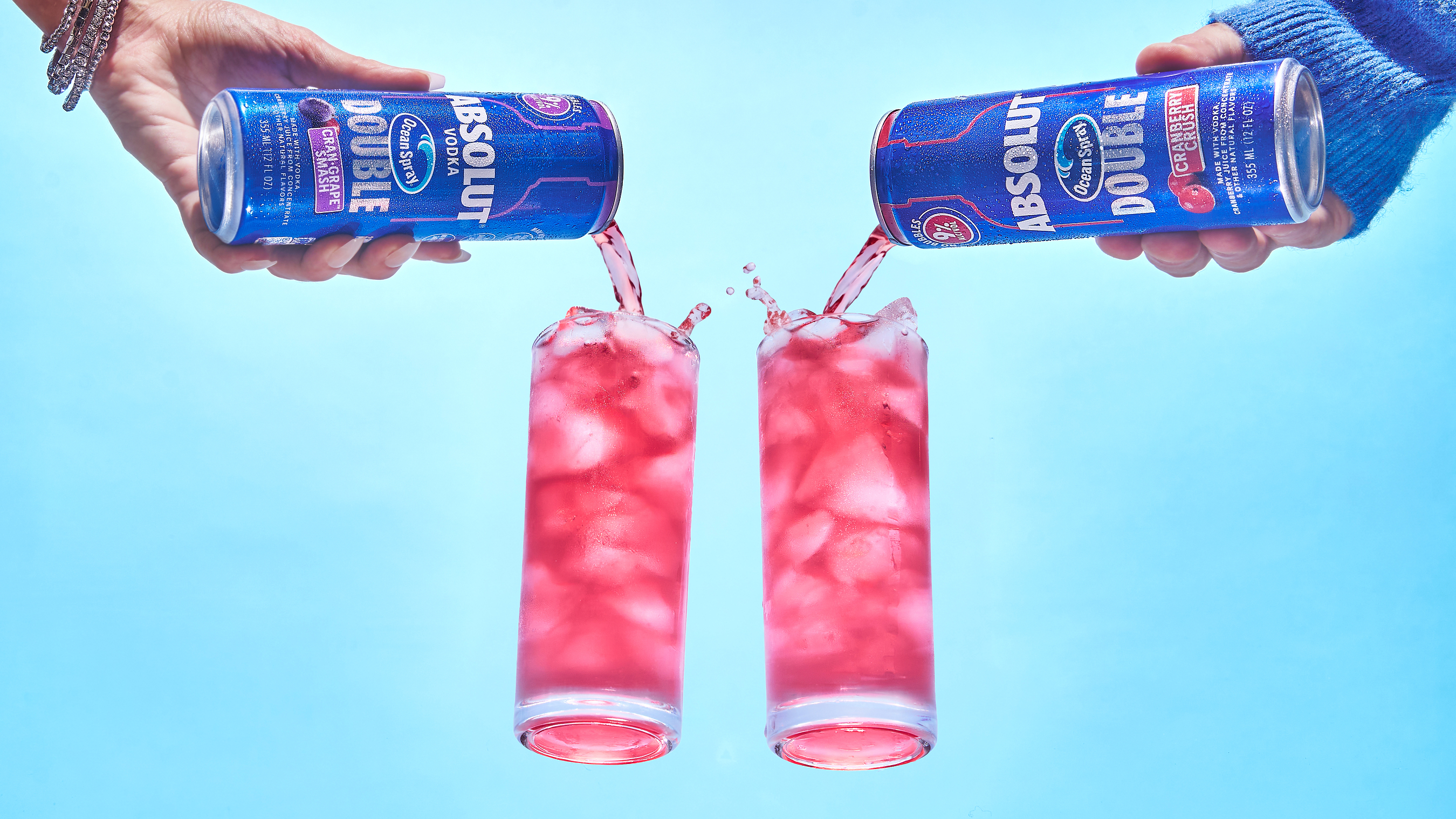
For distributors managing portfolios across off-premise, on-premise, and convenience channels, the convenience-first finding reinforces a long-running structural reality: c-store and grab-and-go formats continue to gain share at the expense of deliberate, health-motivated purchase occasions. RTD beverages — from energy drinks and single-serve coffee to hard seltzers and functional waters — are already the backbone of convenience-channel velocity. If shoppers are now explicitly prioritizing ease over nutrition labels, category managers have fresh data to justify broader cold-door facings for high-velocity RTD SKUs and to revisit cooler planograms that over-index on premium wellness formats.
The UPF dialogue adds a more complicated layer for wholesalers carrying ingredients-forward or "clean label" beverage lines. As the definition of healthy becomes more contested — with ultraprocessed classification cutting across legacy categories like diet sodas, protein shakes, and flavored waters — suppliers will face increased pressure to clarify processing credentials in sell-in materials and trade marketing. Retailers are already fielding consumer questions; distributors who can arm accounts with clear product-attribute information will have a commercial edge in depletion support.
What This Means for Beverage Portfolios
The survey's timing lands at a moment when beverage category managers at major wholesalers are conducting mid-year SKU rationalization reviews. A convenience-dominant consumer doesn't necessarily trade down on quality, but they do reward formats that remove friction — resealable packaging, multipacks optimized for home delivery, and cold-chain-ready single-serve formats that perform in both on-premise and off-premise outlets.
Suppliers building 2027 innovation pipelines should weigh whether health positioning remains the primary lever for new product development or whether convenience architecture — format, occasion, channel fit — now commands equal investment. The IFIC data suggests the latter argument has a new, statistically supported foundation. As covered in functional beverage and non-alc trend reporting and RTD supply chain coverage across this network, the brands gaining distribution wins are increasingly those that solve for convenience and health simultaneously, rather than leading with either claim in isolation.
For the three-tier system broadly, the data reinforces what savvy distributor sales teams have observed on the ground: the shopper who browses for wellness products is not the same shopper driving depletions at the c-store cooler door. Building a portfolio that speaks to both — and routing each SKU to the right channel — remains the core commercial challenge heading into 2027.
Written by Michael Politz, Author of Guide to Restaurant Success: The Proven Process for Starting Any Restaurant Business From Scratch to Success (ISBN: 978-1-119-66896-1), Founder of Food & Beverage Magazine, the leading online magazine and resource in the industry. Designer of the Bluetooth logo and recognized in Entrepreneur Magazine's "Top 40 Under 40" for founding American Wholesale Floral, Politz is also the Co-founder of the Proof Awards and the CPG Awards and a partner in numerous consumer brands across the food and beverage sector.