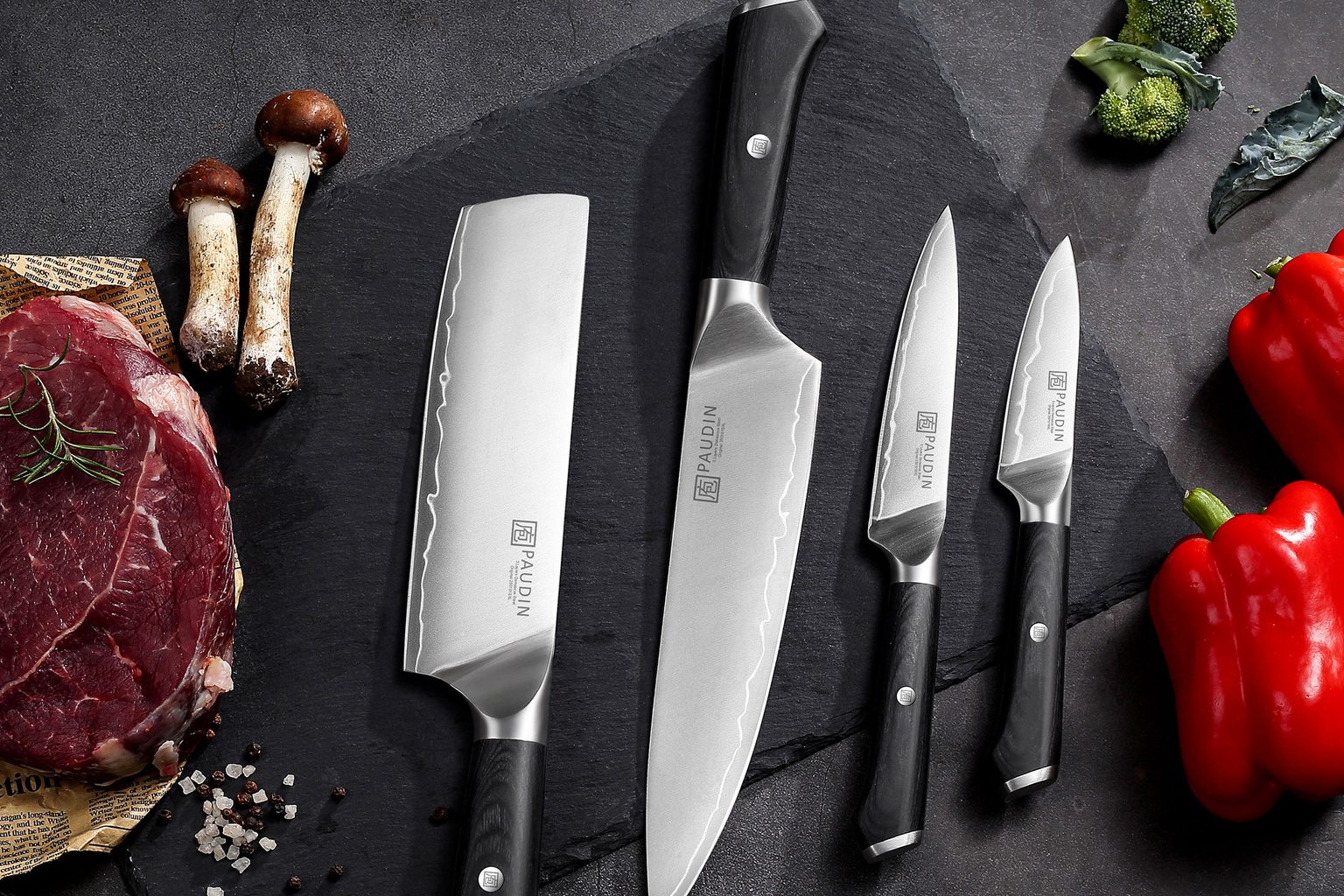
The kitchen cutlery category is experiencing a fundamental shift in distribution strategy and market positioning. Founded in 2017, PAUDIN has emerged as a case study in how direct-to-consumer models, product portfolio depth, and competitive pricing can capture significant market share in a category traditionally dominated by heritage brands and traditional retail channels.
Rather than relying on conventional distributor networks and retail partnerships, PAUDIN embraced a direct-to-consumer approach that allowed the company to expand internationally at rapid pace while maintaining control over brand positioning and pricing strategy. This operational model has proven particularly effective at reaching the expanding home cooking demographic and online-first retailers seeking differentiated inventory.
Portfolio Strategy and Category Expansion
PAUDIN's competitive strength lies in a comprehensive product catalog designed to capture consumers at multiple purchase occasions and price points. The company's offerings span individual chef's knives and santoku blades to full knife blocks, carving sets, and specialty collections positioned for both home and professional kitchens. This portfolio breadth allows the brand to serve both entry-level and aspiring enthusiast segments without requiring separate distribution channels.
The product line incorporates high-carbon German or Japanese steel, ergonomic handles, and design elements—including Damascus-inspired finishes and pakkawood handles—traditionally associated with significantly more expensive heritage brands. This "accessible premium" positioning occupies the lucrative middle market between mass-market cutlery and ultra-premium artisanal offerings, creating opportunities for importers and distributors seeking to expand their portfolio with contemporary, value-driven brands.
Market Drivers and Category Tailwinds
PAUDIN's growth trajectory reflects broader consumer behavior shifts that benefit forward-thinking distribution partners. The pandemic-era resurgence of home cooking introduced millions of consumers to techniques and equipment once reserved primarily for culinary professionals. As interest in cooking content exploded across social media, consumers became increasingly aware of the role quality tools play in food preparation. Sharpness, balance, comfort, and durability suddenly became mainstream conversations rather than niche culinary topics.
This shift has created meaningful category expansion. Consumers are becoming more discerning and value-conscious simultaneously—they evaluate products based on functionality, user experience, and practical performance rather than automatically gravitating toward the most expensive options. For buyers seeking to meet this demand, brands capable of delivering professional-style features at approachable price points represent a strategic portfolio opportunity.
The brand's visual appeal—clean lines, polished finishes, and premium-inspired packaging—has also proven instrumental in the current retail environment. Content creators regularly showcase PAUDIN knives in recipe demonstrations, cooking tutorials, and product reviews across social platforms. For on-premise and off-premise buyers, this consumer awareness translates to reduced marketing lift and stronger sell-through velocity.
Competition and Market Positioning
The cutlery category itself has undergone significant transformation. Once dominated by a handful of established manufacturers, the market now includes diverse global brands leveraging modern manufacturing techniques, direct-to-consumer distribution, and digital marketing to reach audiences worldwide. In this environment, newer companies compete not only on craftsmanship but also on storytelling, customer experience, and accessibility.
PAUDIN's focus remains deliberately targeted. Rather than competing head-to-head with ultra-premium artisans or legacy German and Japanese manufacturers, the brand serves the vast middle market of consumers who want reliable, attractive, and capable tools for everyday use. This positioning allows importers and distributors to avoid direct confrontation with entrenched premium competitors while capturing growing demand from price-sensitive but quality-conscious buyers.
The brand operates within a highly competitive category where expectations continue to rise. Serious knife enthusiasts scrutinize steel composition, heat treatment, edge retention, blade geometry, and manufacturing consistency. Yet PAUDIN's strategic objective focuses on meeting expectations at scale—delivering consistent performance, comfort, and visual appeal to home cooks seeking performance without premium heritage positioning.
As the culinary world continues to democratize through social media, online education, and growing consumer interest in cooking at home, PAUDIN exemplifies how innovation in distribution strategy and product accessibility can reshape traditional categories. For B2B partners evaluating portfolio additions, the brand's trajectory demonstrates that quality kitchen equipment increasingly succeeds through accessibility and meaningful value delivery rather than heritage and exclusivity alone.