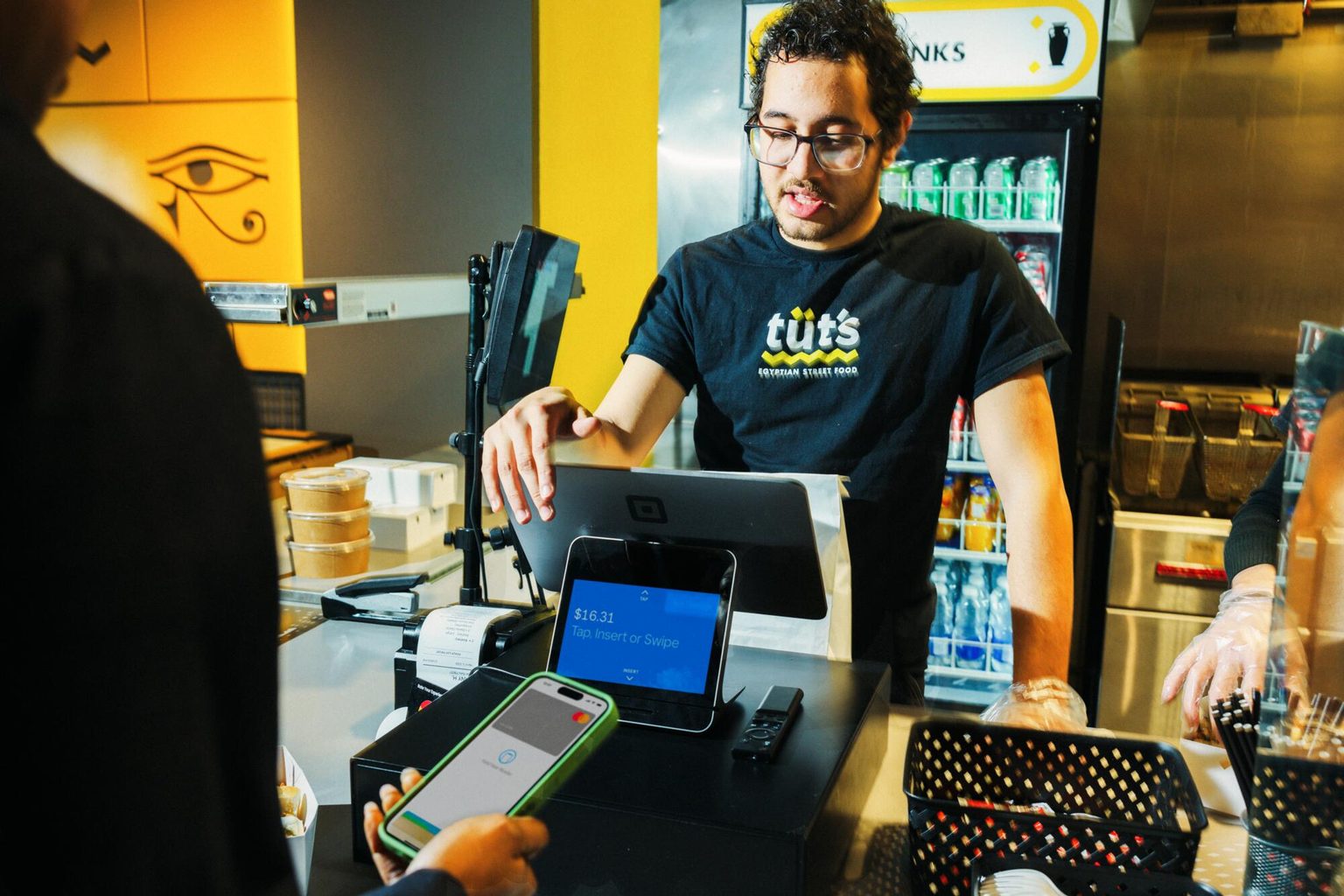
For beverage industry professionals managing distribution networks, brand portfolios, or multi-channel retail operations, operational fragmentation has become a critical business risk. As on-premise and off-premise channels converge—with bars, restaurants, retailers, and direct-to-consumer platforms all competing for shelf space and consumer engagement—the technology infrastructure connecting these touchpoints directly impacts margin, inventory accuracy, and brand velocity. Square has positioned its platform specifically to address this complexity by offering a unified ecosystem rather than disconnected point solutions.
Since its founding in 2009, Square has evolved beyond mobile card payments into a comprehensive commerce platform spanning in-person transactions, e-commerce, inventory management, customer engagement, and business intelligence. For beverage distributors and brand owners managing portfolio growth across multiple channels, this integration matters operationally. A distributor or importer can now track cases from warehouse to retailer endpoint, manage pricing variations by channel, engage buyers through integrated marketing, and access real-time performance data across on-premise and off-premise accounts—all within a single system rather than patching together separate tools.
The operational challenge is acute in beverage specifically. Operators are navigating omnichannel sales, volatile input costs, changing consumer preferences, and the need to move inventory efficiently across geographic territories. Disconnected systems create not just inefficiency but risk—missed replenishment signals, pricing inconsistencies, and delayed visibility into which products are gaining or losing velocity in which channels. Square's answer has been to build a cohesive platform where inventory data, transaction data, and customer insights feed each other, allowing distributors and brands to respond faster to market dynamics.
What distinguishes Square's approach is its commitment to ecosystem integration rather than bolting together standalone modules. Each component strengthens the others. A distributor managing accounts at multiple retail locations, for example, can simultaneously track inventory across territories, analyze sell-through performance by SKU and channel, manage pricing hierarchies, and identify which products are driving traffic or loyalty in specific markets. The result is not just operational efficiency but a more strategic, data-driven approach to portfolio and territory management.
Case Study: Scale Across Channels—Van Leeuwen Ice Cream
Van Leeuwen Ice Cream illustrates this advantage in practice. What began as a single scoop truck in New York City has grown into a nationally recognized brand with brick-and-mortar locations, significant grocery distribution, and strong direct-to-consumer engagement. Managing that expansion requires operational infrastructure that scales seamlessly across channels while maintaining brand consistency and supply chain visibility.
For a brand managing both high-volume storefronts and packaged goods distribution, the ability to unify point-of-sale transactions, retail inventory, and channel-specific customer data is critical. Dense urban locations require speed and reliability at register, while grocery expansion introduces logistics and reporting complexity that demands real-time visibility into stock levels, reorder timing, and sell-through velocity by retail partner. Square's integrated platform allows brands operating at this intersection to maintain consistency across channels, streamline operations, and track performance in real time.
Data visibility is equally crucial. With a loyal customer base generating significant purchase velocity, brands like Van Leeuwen benefit from tools that reveal purchasing patterns, peak demand windows, and SKU performance by location and channel. These insights directly inform decisions around inventory allocation, new product placement, pricing strategy, and promotional timing—ensuring that brands remain agile as they expand distribution territory and scale retail footprint.
For emerging and scaling beverage brands alike, Square provides the operational backbone that not only supports growth but accelerates it, allowing companies to focus on brand building while operating with the data sophistication and channel coordination of a much larger enterprise.
Accessibility and Sophistication: Leveling the Playing Field
A secondary but critical advantage is Square's emphasis on usability. The platform is intentionally designed to be accessible—removing technical barriers that often prevent smaller distributors, independent brands, and regional players from accessing sophisticated tools. Hardware feels intuitive. Software dashboards deliver actionable insights without overwhelming users with complexity. This design discipline has been central to broadening access to enterprise-grade capabilities among mid-sized and independent operators.
That accessibility is foundational to Square's identity in the beverage space. By eliminating traditional barriers—high upfront infrastructure costs, lengthy implementation timelines, technical complexity—the platform has redefined what businesses can operate independently or at scale. For independent importers, regional brands, and smaller distributors, this democratization of technology directly impacts competitiveness and margin preservation.
Square has also demonstrated consistent investment in forward capabilities. Integration of artificial intelligence into the platform signals movement toward predictive commerce—enabling operators to forecast demand, optimize inventory allocation, and identify emerging category trends before they become obvious. By leveraging real-time transaction data, seasonal patterns, and external market signals, distributors and brand managers can make more strategic decisions around product assortment, territory investment, and promotional timing.
These advancements are not introduced as isolated features. They are woven into the broader ecosystem, enhancing overall platform value rather than adding complexity. This discipline allows Square to innovate in data, automation, and payment capabilities while preserving the simplicity that makes adoption and training straightforward for teams across distributor and retail environments.
Industry Influence and Strategic Implications
Square's scale is substantial—processing hundreds of billions in annual payment volume while serving a remarkably diverse customer base from independent retailers to multi-location, high-growth brands. Yet its industry impact extends beyond transaction volume. It has fundamentally shifted how competitors and operators evaluate commerce technology.
The market now expects integrated, end-to-end solutions that support every aspect of business operations—not just payment processing. Square has helped establish this standard, demonstrating that competitive advantage lies in cohesive platforms rather than point solutions. For beverage specifically, this evolution is strategically meaningful. The operational demands on distributors, importers, and brand owners continue intensifying—requiring technology that unifies front-line sales, inventory accuracy, channel reporting, and customer engagement without adding operational friction.
Square's ability to unify transaction data, inventory visibility, and customer intelligence across on-premise and off-premise channels offers a practical model for how technology can streamline operations at scale. It allows distributors and brands to focus less on system management and more on strategic portfolio decisions, territory development, and channel growth.
Looking ahead, beverage commerce will continue fragmenting across channels—bars, restaurants, retail shelves, e-commerce platforms, and direct-to-consumer engagement all competing for product visibility and sales. Beverage professionals will require infrastructure that is not only reliable but adaptable enough to accommodate new channels and evolving business models. Platforms that evolve in step with shifting distribution and consumer patterns will define next-generation competitive advantage.
Square is positioned strategically within that landscape. Its evolution reflects a broader shift within commerce technology—prioritizing integration, data intelligence, and accessibility. More importantly, it reflects understanding of the beverage professional's operational reality. By aligning its platform evolution with the success of distributors, brands, and multi-channel operators, Square has moved beyond vendor relationships into a role as operational partner. For an industry navigating constant channel and category disruption, that distinction is critical.
As beverage commerce continues to reshape around omnichannel demand, the advantage will belong to businesses equipped with systems as dynamic as their distribution networks. Square has positioned itself at the center of that evolution—not by chasing trends, but by building infrastructure that accommodates and anticipates them. By unifying technology, simplifying operational complexity, and empowering professionals at every stage of portfolio and territory growth, Square is helping define what modern beverage commerce looks like in practice. In doing so, it supports the next generation of distributor and brand leaders while setting the pace for an industry still navigating the shift to unified, data-driven operations.