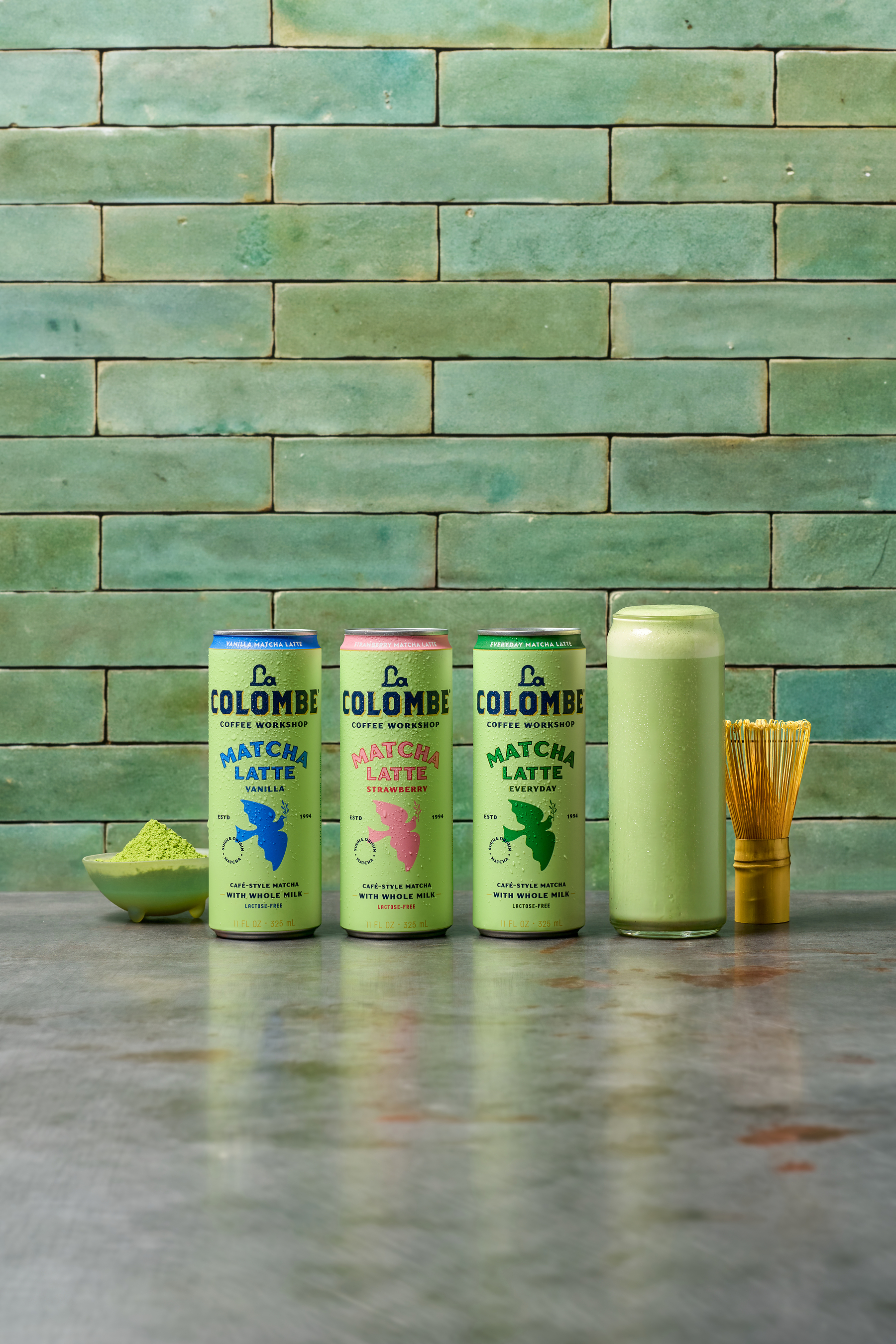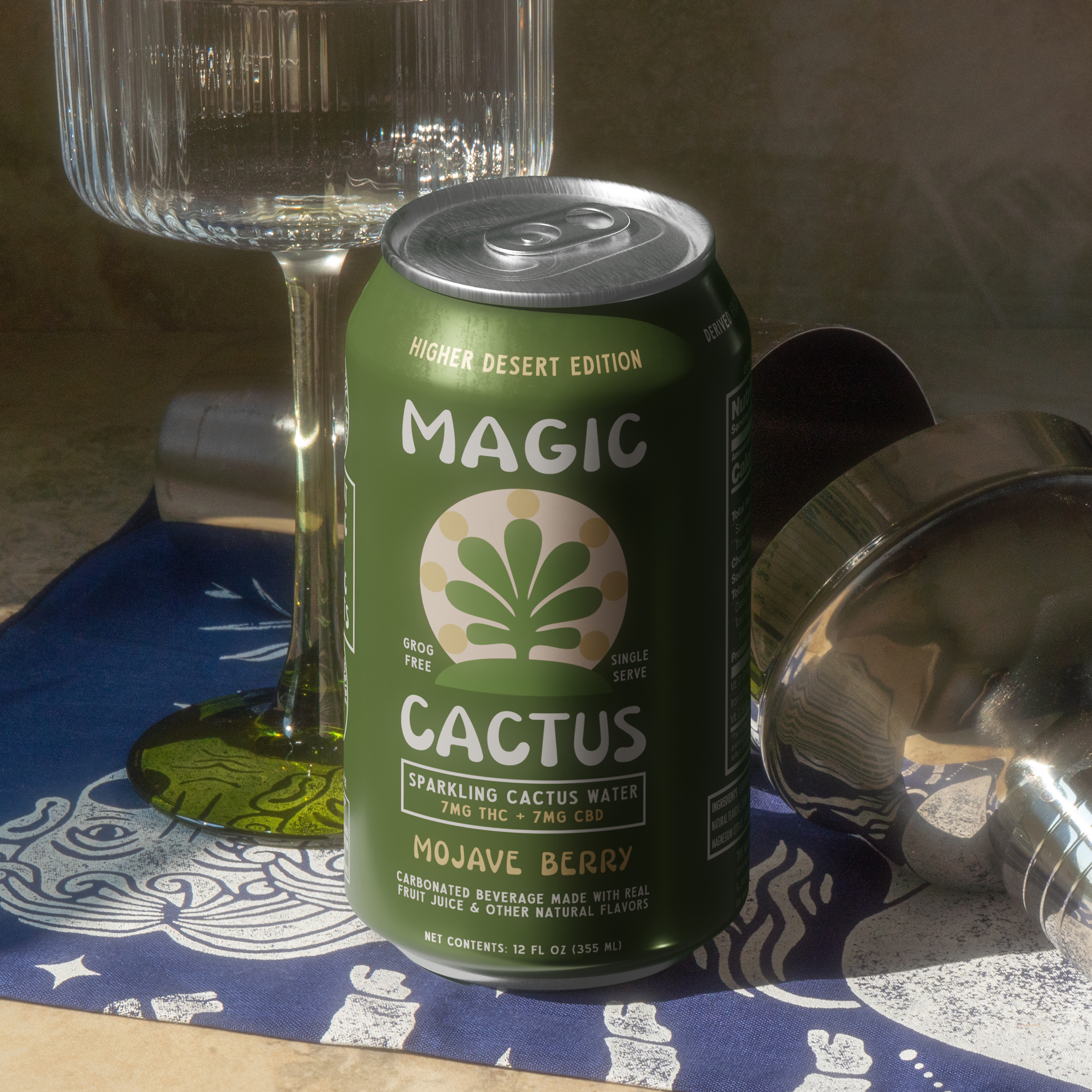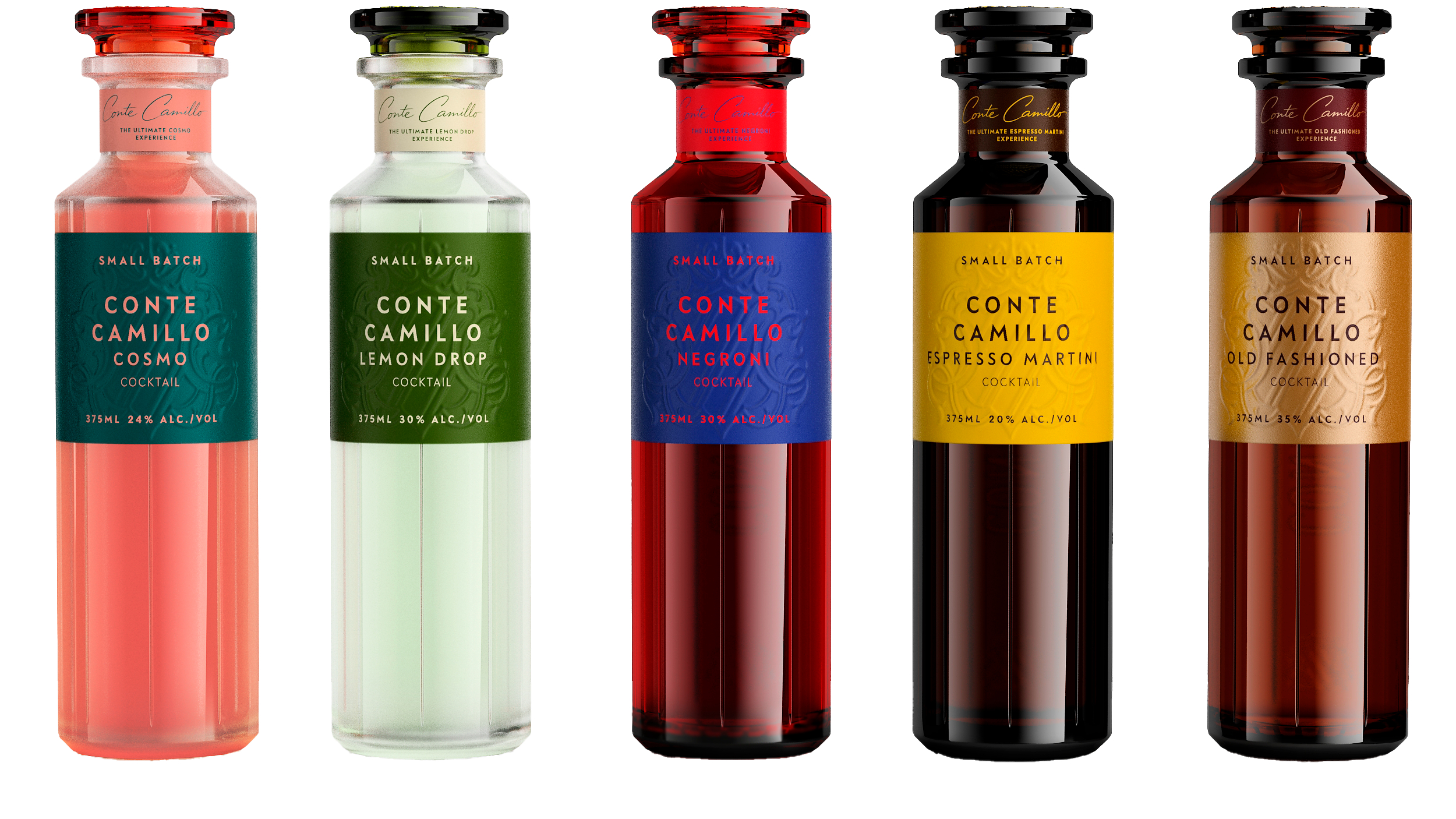
Ready-to-drink beverage brands facing sustained pressure on capital budgets are accelerating a structural shift toward flexible co-manufacturing and contract brewing arrangements, trading fixed plant investment for variable-cost production models that allow faster SKU iteration and more responsive wholesaler replenishment cycles. The trend is reshaping how emerging suppliers approach route-to-market strategy across both on-premise and off-premise channels.
Industry observers tracking depletions across the RTD segment note that brands anchored to owned production lines have struggled to rationalize SKU portfolios quickly enough to match shifting retailer planogram demands. Contract brewing and co-pack agreements, by contrast, allow supplier teams to redirect capital toward depletion-driving activities — field sales, distributor incentive programs, and end-cap placement — rather than servicing debt on stainless steel. While precise volume figures vary by brand, co-pack utilization across the broader better-for-you RTD category has grown measurably as a share of total production since 2024.
For wholesalers operating inside the three-tier system, the co-pack shift carries its own set of supply-chain considerations. Distributor partners have flagged cold-chain consistency and lead-time variability as friction points when supplier production moves between contract facilities. Shipment reliability — particularly for temperature-sensitive hard seltzers and functional RTDs — remains a key negotiating point between suppliers and their wholesale networks. Brands that can demonstrate consistent case-fill rates from co-pack partners are earning preferential warehouse slotting and more aggressive depletion support from regional distributors.
On the compliance side, TTB label approval timelines add another variable for RTD brands cycling through co-pack transitions. Each facility change can trigger new formula and label submissions, adding weeks to a launch runway that fast-moving off-premise retailers are increasingly unwilling to accommodate. Suppliers working with established contract brewing partners who carry existing TTB registrations are compressing those timelines and gaining a measurable competitive edge at shelf.
Exec commentary from within the contract manufacturing space points to a maturing buyer: RTD brands entering co-pack negotiations in 2026 arrive with more sophisticated asks around barrel-equivalent capacity guarantees, excise tax pass-through structures, and ABV consistency tolerances than counterparts did just two years ago. That commercial sophistication is pushing co-manufacturers to invest in dedicated RTD lines and tighter SLA frameworks — ultimately benefiting the wholesaler network downstream. For more on RTD supply-chain dynamics, see our coverage of emerging RTD distribution models and co-manufacturing trends in craft beverages.
Written by Michael Politz, Author of Guide to Restaurant Success: The Proven Process for Starting Any Restaurant Business From Scratch to Success (ISBN: 978-1-119-66896-1), Founder of Food & Beverage Magazine, the leading online magazine and resource in the industry. Designer of the Bluetooth logo and recognized in Entrepreneur Magazine's "Top 40 Under 40" for founding American Wholesale Floral, Politz is also the Co-founder of the Proof Awards and the CPG Awards and a partner in numerous consumer brands across the food and beverage sector.