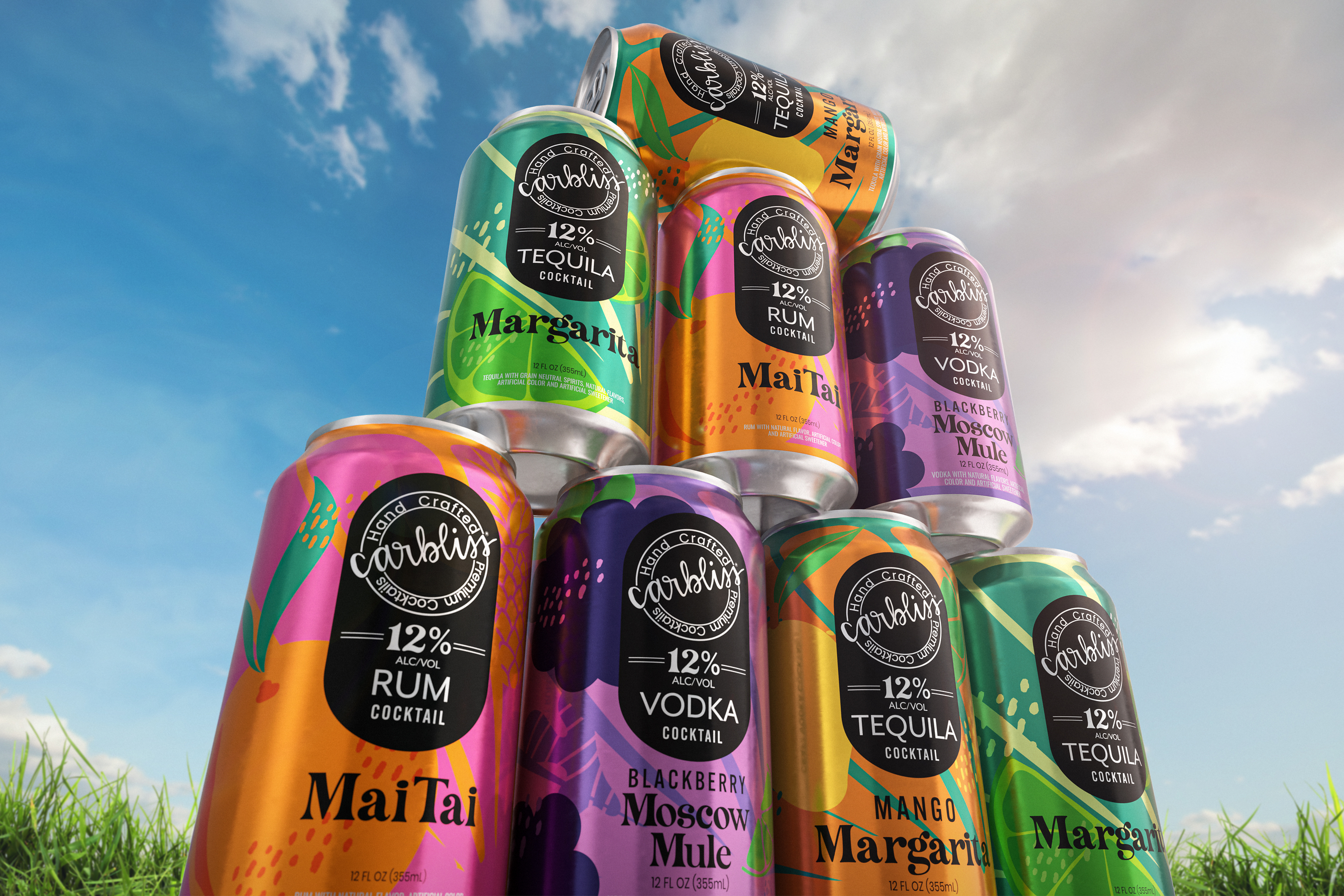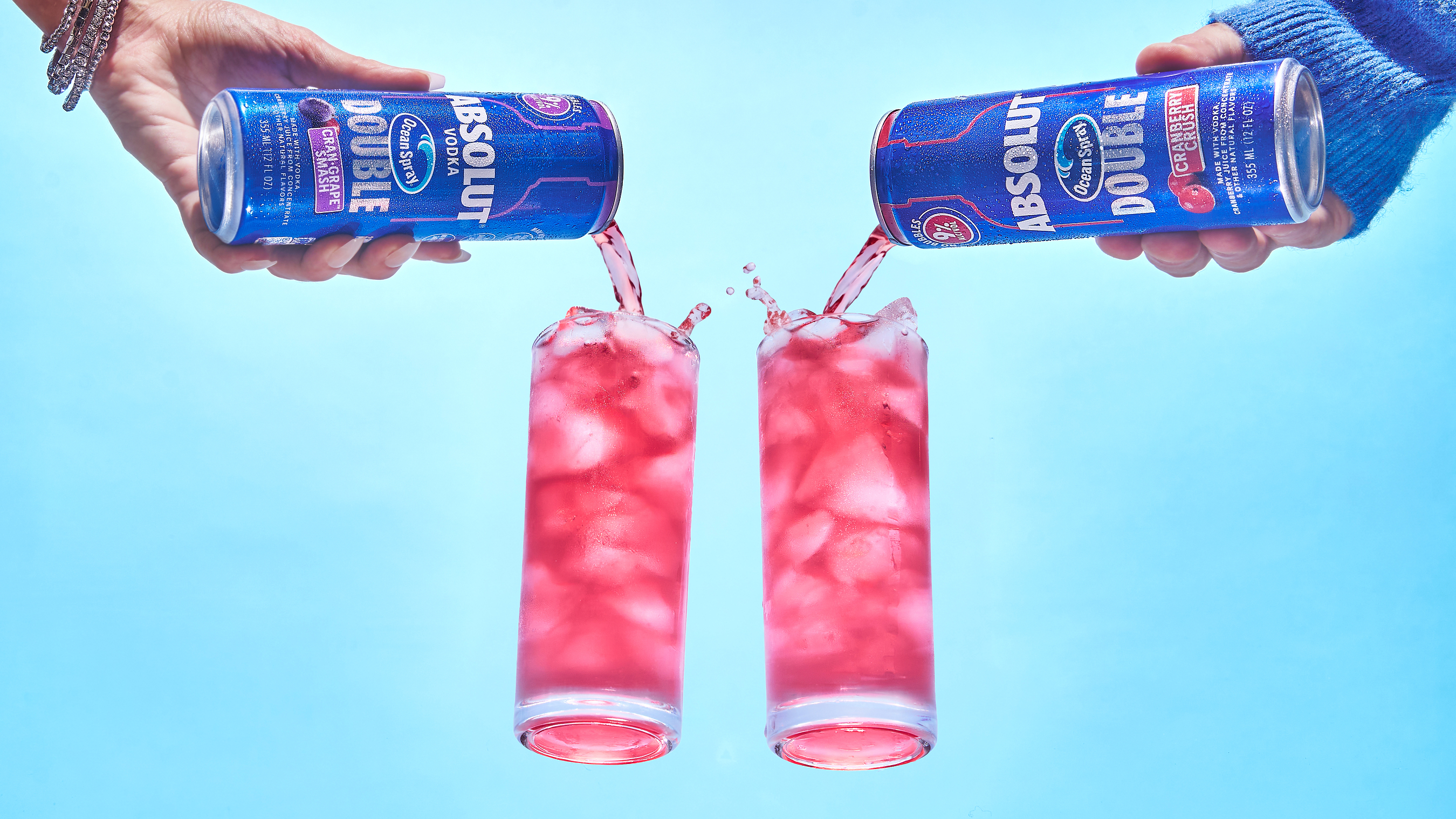
Packaged beverage brands operating in the ready-to-drink and non-alc segments are under mounting pressure to demonstrate consistent off-premise depletion rates as distributor partners tighten their portfolio requirements heading into the second half of 2026. The dynamic mirrors a broader shift across the three-tier system, where wholesalers are increasingly favoring suppliers that can show predictable shipment-to-depletion ratios over those chasing top-line SKU count.
Input cost inflation continues to bite across the supply chain. Aluminum can pricing, cold-chain freight, and co-pack contract rates have each climbed materially over the past 18 months, squeezing per-case margins for brands that locked in volume commitments before costs accelerated. Industry contacts indicate that co-pack renegotiations are running 8% to 15% above prior-cycle rates in several domestic markets, forcing suppliers to revisit suggested retail pricing and, in some cases, absorb margin compression rather than risk planogram placement.
For distributors navigating an increasingly crowded RTD shelf set, the calculus is straightforward: brands that cannot sustain velocity at the end-cap level are being rotated out in favor of those with tighter geographic focus and proven on-premise trial conversion. Several mid-tier wholesalers have signaled they are reducing active SKU counts by 10% to 20% ahead of the fall reset cycle, a form of de facto SKU rationalization that is reshaping supplier conversations across both alc and non-alc categories. Brands with strong DTC subscription components are finding those revenue streams increasingly valuable as a buffer against wholesale depletion variability. For deeper coverage of how distributors are resetting their alc portfolios, see our spirits distribution outlook and the latest RTD channel analysis.
Exec commentary across the category reflects a pivot toward what one regional brand GM described as "income-stable volume" — fewer SKUs, stronger turns, and distributor agreements structured around achievable depletion targets rather than aspirational shipment loads. TTB registration activity for new RTD entrants slowed notably in Q1 2026, a signal that the market is consolidating rather than expanding, and that existing suppliers are focused on defending shelf position rather than extending their portfolios. Brands that can deliver consistent case-equivalent velocity while managing excise tax exposure across multiple state markets are best positioned to weather the current cycle.
Written by Michael Politz, Author of Guide to Restaurant Success: The Proven Process for Starting Any Restaurant Business From Scratch to Success (ISBN: 978-1-119-66896-1), Founder of Food & Beverage Magazine, the leading online magazine and resource in the industry. Designer of the Bluetooth logo and recognized in Entrepreneur Magazine's "Top 40 Under 40" for founding American Wholesale Floral, Politz is also the Co-founder of the Proof Awards and the CPG Awards and a partner in numerous consumer brands across the food and beverage sector.