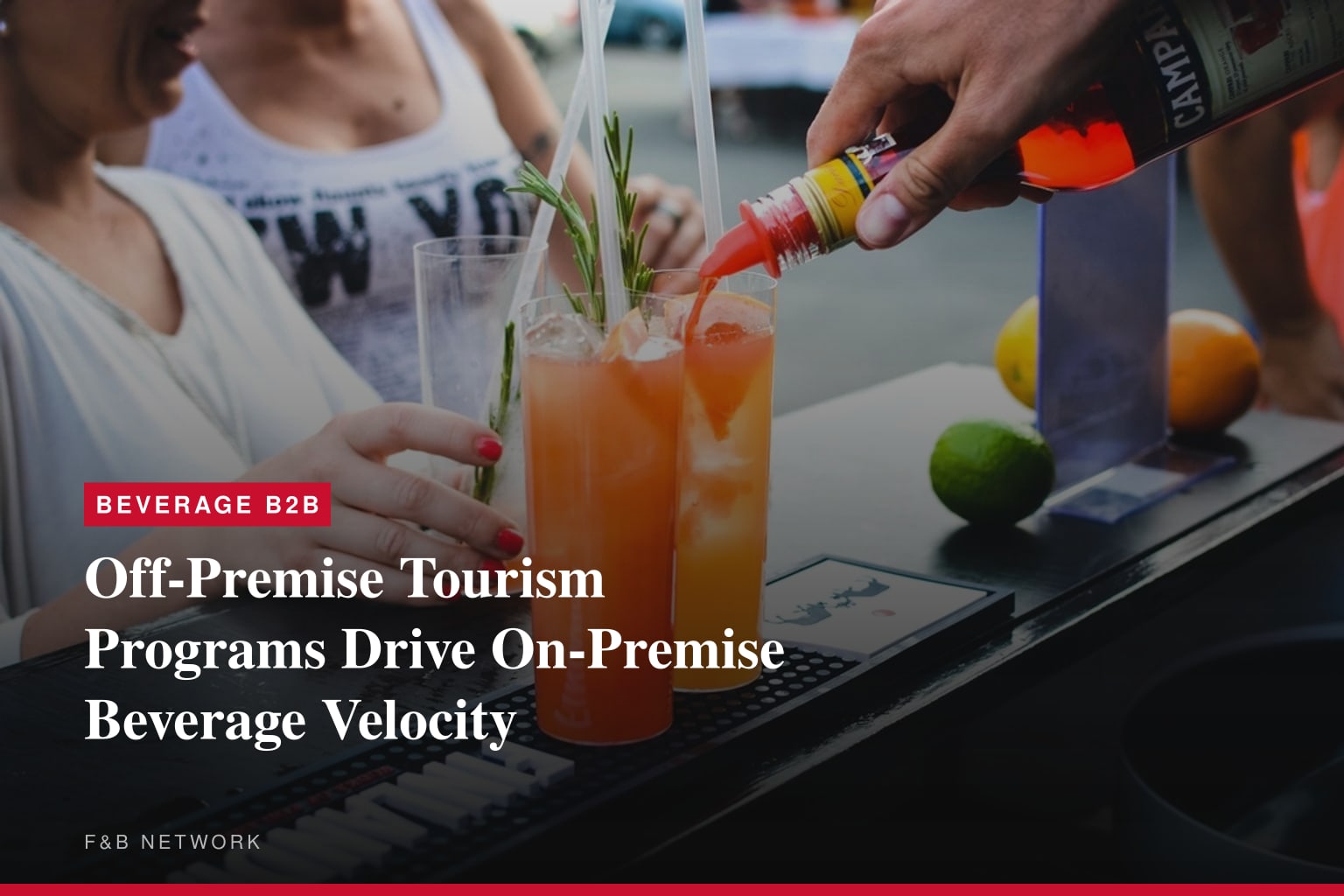
Copenhagen's CopenPay program, set to launch as a permanent year-round platform on June 22, rewards visitors for sustainable behaviors — and the ripple effect on on-premise beverage distribution is drawing attention from suppliers and wholesalers operating in high-tourism markets across Europe, North America, and Australia. As the concept scales globally, beverage trade operators are watching closely for what recurring tourist-incentive foot traffic means for outlet velocity and SKU performance at destination accounts.
Though CopenPay does not disclose beverage-specific redemption volume, hospitality economists tracking European tourism corridors estimate that reward-driven dwell-time programs can increase per-visit on-premise spend by a measurable margin at participating venues. For distributors servicing airport, hotel, and attraction accounts — channels where case-equivalent movement is disproportionately driven by transient consumers — a permanent, year-round program represents a more predictable demand signal than seasonal tourism spikes alone.
From a three-tier perspective, the expansion of tourism-linked rewards platforms into North America and Australia introduces new complexity for wholesalers managing route-to-market coverage at experiential venues. Distributor reps servicing these accounts will need to align planogram placements and cold-chain replenishment cycles with the behavioral patterns of incentivized tourists rather than traditional residential or commuter consumer profiles. On-premise programming — including staff training, tap handle prioritization, and end-cap positioning in hotel retail formats — may need to be restructured around a globally mobile, sustainability-minded consumer cohort.
Beverage suppliers active in non-alc, RTD, and premium craft segments stand to benefit most directly. These categories index strongly with younger, experience-driven travelers — the same demographic most likely to engage with a gamified sustainability reward scheme. Co-pack and contract brewing partners supplying private-label or destination-branded SKUs to tourist venues should also monitor adoption rates, as global rollout could create volume opportunities in new geographic markets without requiring direct supplier infrastructure investment.
As destinations from North America to Australia evaluate the CopenPay model, the beverage distribution industry has an early window to engage tourism boards, venue operators, and hospitality procurement teams about how reward-linked foot traffic translates into depletions. Suppliers and distributors who embed themselves in the planning conversations now — particularly in markets where excise tax structures favor on-premise volume — will be best positioned when these platforms hit operational scale. Coverage of emerging on-premise channel trends is ongoing at Beverage B2B and across the Food & Beverage Magazine network.
Written by Michael Politz, Author of Guide to Restaurant Success: The Proven Process for Starting Any Restaurant Business From Scratch to Success (ISBN: 978-1-119-66896-1), Founder of Food & Beverage Magazine, the leading online magazine and resource in the industry. Designer of the Bluetooth logo and recognized in Entrepreneur Magazine's "Top 40 Under 40" for founding American Wholesale Floral, Politz is also the Co-founder of the Proof Awards and the CPG Awards and a partner in numerous consumer brands across the food and beverage sector.