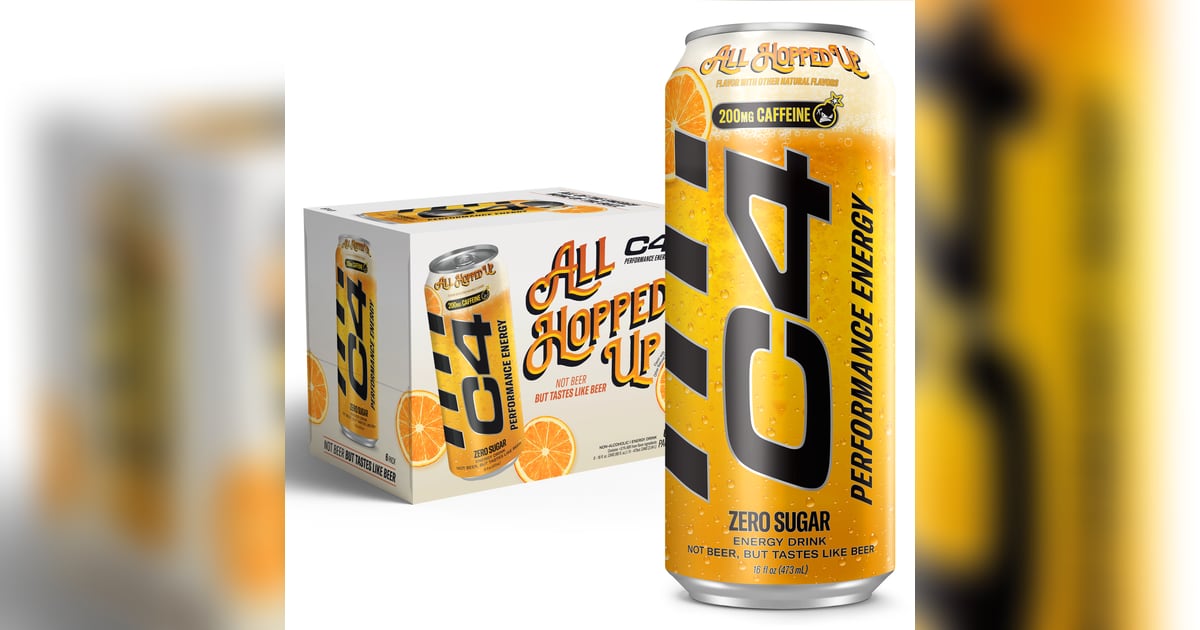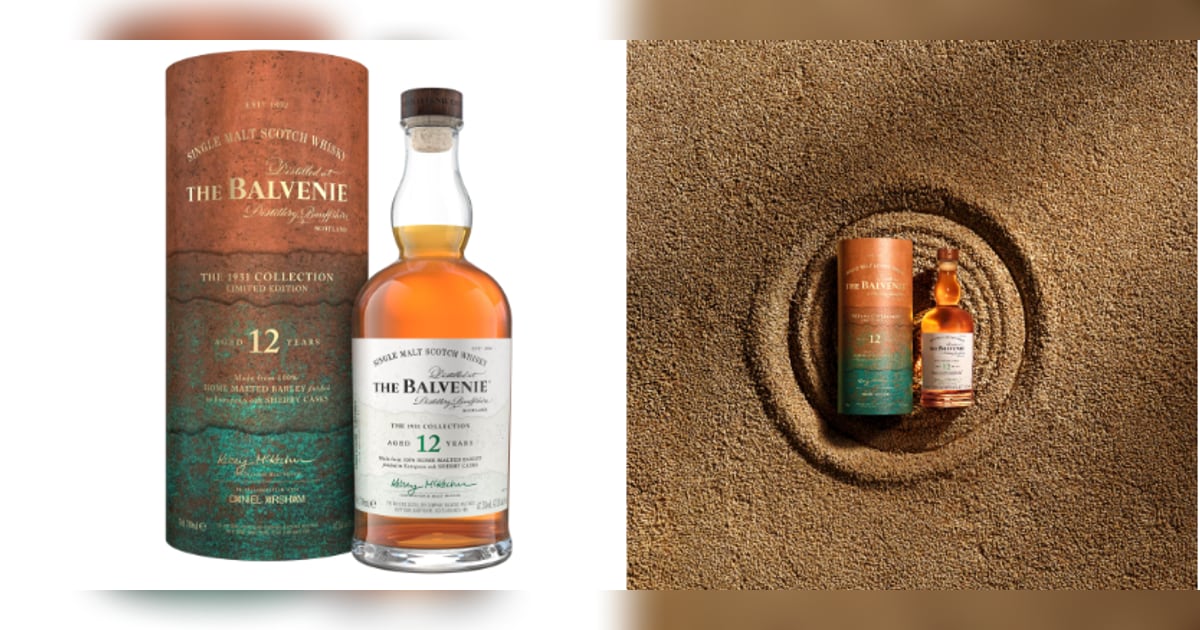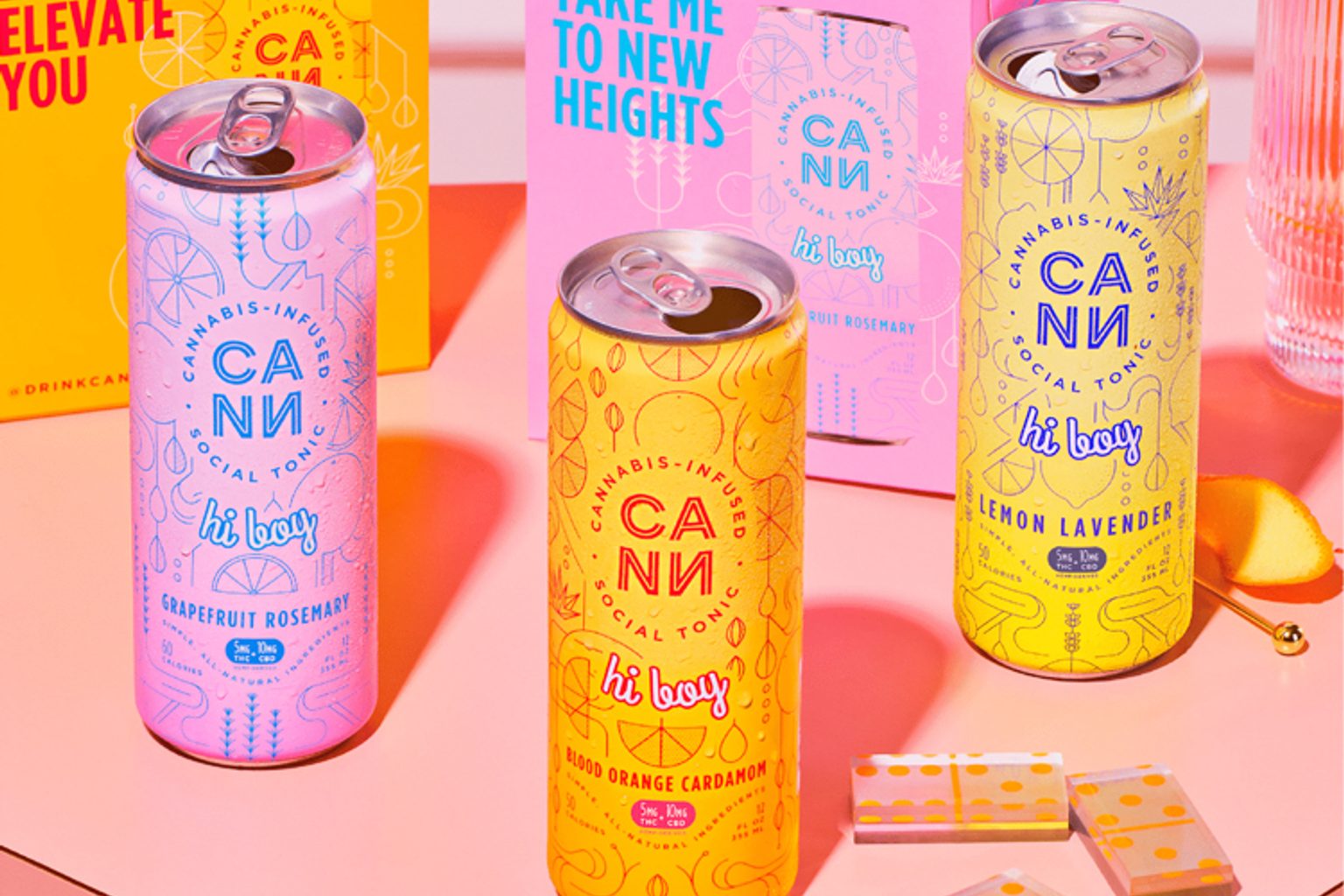
A wine and spirits distributor is reshaping its portfolio in response to the growing influence of GLP-1 medications on consumer behavior and purchasing patterns. Morales Beverage Group has increased functional beverage sales tenfold by positioning itself as a solution provider for distributors facing revenue headwinds from the GLP-1 category. The shift reflects a broader industry recognition that semaglutide and similar weight-loss drugs are altering how consumers allocate discretionary spending—particularly away from traditional alcohol categories.
Supply Chain and Portfolio Implications
GLP-1 adoption is forcing beverage wholesalers to reconsider their product mix and go-to-market strategies. Distributors that fail to address this consumer behavior shift risk margin erosion across traditional wine and spirits. Functional beverages—including ready-to-drink wellness products, non-alcoholic alternatives, and nutrient-focused drinks—represent a hedge against these headwinds and a new revenue stream in an otherwise contracting segment.
For distributors and manufacturers, the tenfold increase in functional beverage sales at Morales signals both the urgency and the opportunity in portfolio diversification. By integrating RTD wellness, non-alcoholic beverages, and nutrient-focused products into their distribution networks, traditional wholesalers can stabilize revenue and capture emerging consumer demand driven by health and wellness trends.
For more insights and trends in the food and beverage sector, check out more articles in The Food & Beverage Magazine family of publications.
Written by FBM Publications Editors