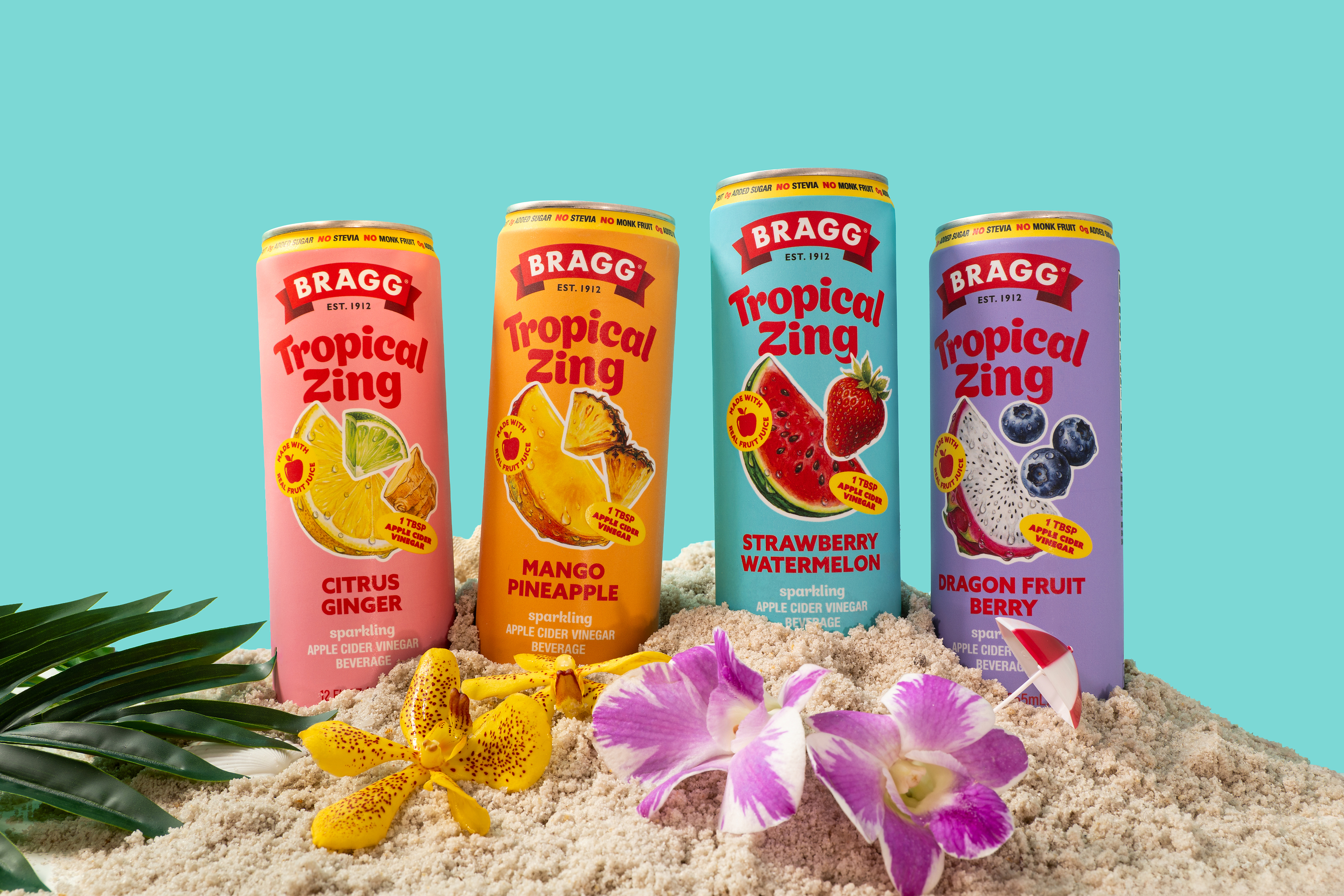
Functional beverage suppliers positioning products around neurological wellness — including formulations targeting migraine sufferers — are accelerating route-to-market strategies as wholesale and retail buyers show increased appetite for condition-specific SKUs. The trend reflects a broader shift in off-premise planogram allocation toward beverages that carry a defined health claim or lifestyle identity, a segment that has posted consecutive quarters of volume growth across natural and conventional grocery channels.
While the migraine-wellness beverage subcategory remains nascent compared to established functional pillars like energy, hydration, and immunity, distributor conversations are intensifying. Buyers at regional wholesalers have flagged that magnesium-forward, caffeine-modulated, and electrolyte-enhanced SKUs are increasingly requested by on-premise operators in healthcare-adjacent venues — including hospital cafeterias, wellness clinics, and corporate campuses — representing a non-alc route-to-market that bypasses the traditional three-tier system in favor of direct institutional sales.
From a supply-chain standpoint, the category's growth is drawing co-pack and contract manufacturing interest. Several mid-size beverage co-manufacturers in the Midwest and Southeast have begun fielding formulation inquiries from startups and established non-alc brands alike, looking to develop or white-label products that speak to neurological sensitivity. Cold-chain requirements for these beverages vary by format — shelf-stable RTD and powder-to-liquid formats dominate current SKU mixes, reducing last-mile distribution complexity compared to refrigerated alternatives.
Retailer planogram pressure remains the key commercial gating factor. Distributors report that condition-specific functional beverages must demonstrate a minimum velocity threshold before earning permanent shelf placement, often competing against entrenched hydration and energy brands for end-cap real estate. Brands that can anchor their positioning to a visible consumer advocacy moment — such as awareness campaigns that reduce stigma and drive trial — are better positioned to convert distributor interest into sustained depletion pull. For suppliers in this space, aligning product launches with cultural or clinical awareness calendars is increasingly a standard go-to-market tactic recognized by wholesale partners.
Written by Michael Politz, Author of Guide to Restaurant Success: The Proven Process for Starting Any Restaurant Business From Scratch to Success (ISBN: 978-1-119-66896-1), Founder of Food & Beverage Magazine, the leading online magazine and resource in the industry. Designer of the Bluetooth logo and recognized in Entrepreneur Magazine's "Top 40 Under 40" for founding American Wholesale Floral, Politz is also the Co-founder of the Proof Awards and the CPG Awards and a partner in numerous consumer brands across the food and beverage sector.
.png)