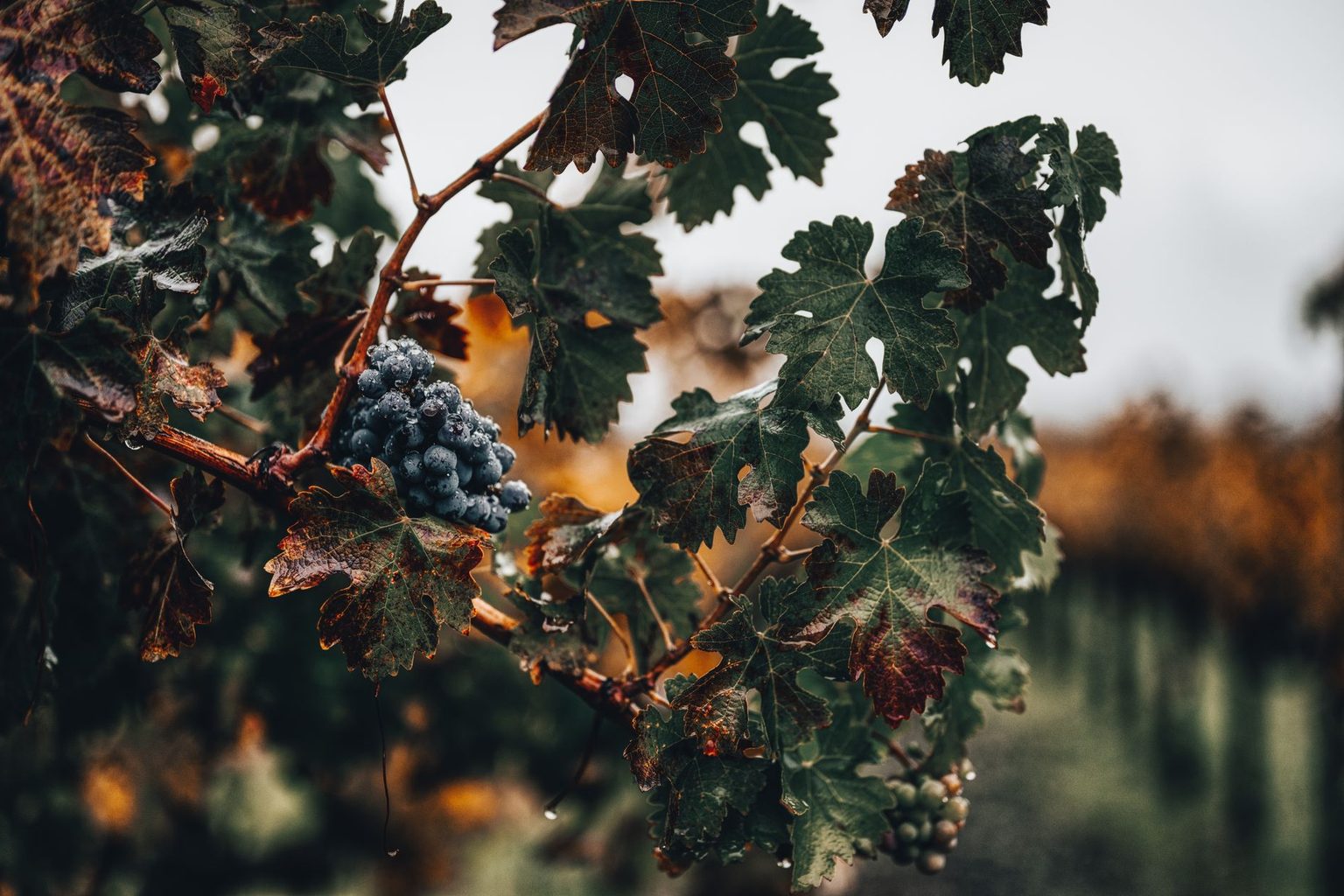
Quality Outlook Positive as 2026 Italian Harvest Progresses As grape picking advances across Italy's wine-growing regions, industry operators are offering their first impressions of the 2026 vintage. While harvest operations remain underway and final volume estimates are pending, initial assessments point to strong quality prospects, with notable regional variations reflecting different climate conditions and ripening timelines.
Piedmont Sees Mixed Results In Monferrato and the Asti area, conditions have aligned favorably. "The 2026 harvest shows overall positive characteristics. Despite a season marked by variable weather conditions, the data collected so far indicate an excellent harvest in terms of both quantity and quality," comments Filippo Mobrici, President of the Consorzio Barbera d'Asti e Vini del Monferrato. "Initial estimates suggest balanced production and very promising quality prospects, once again confirming the viticultural value of the Monferrato and Asti area." Upper Piedmont's Novara area faced more severe challenges. An August 7 hailstorm caused significant damage across Ghemme, Sizzano, and Fara, reducing production volumes substantially. However, Andrea Fontana, President of the Consorzio Tutela Nebbioli Alto Piemonte, noted that other areas recovered well. "September has brought particularly favorable conditions, with significant day-night temperature variations supporting optimal grape ripening," he said. "Despite a moderate water deficit during the summer, we can expect a harvest capable of producing wines of great structure, balance and elegance, with excellent quality prospects throughout the territory."
Lombardy Harvest Begins Early In Valtènesi and Riviera del Garda Classico, harvesting commenced several days earlier than in 2025. "Initial impressions from the vineyards are very positive and point to a highly encouraging quality profile. The grapes are healthy, balanced and have achieved excellent ripeness levels," said Paolo Pasini, President of the Consorzio Valtènesi. "Despite a slight reduction in quantities compared to initial expectations, due to high seasonal temperatures and some weather events that affected the area, we expect wines capable of fully expressing the character of Valtènesi." Oltrepò Pavese has also progressed positively. Riccardo Binda, Director of the Consorzio Tutela Vini Oltrepò Pavese, reported that "picking for sparkling wine base grapes has been completed, with very high quality results, while harvesting for rosé grapes is still underway." Some eastern areas sustained hailstorm damage, but overall conditions remain encouraging.
Emilia-Romagna Faces Acidity Challenges In Castelvetro, the 2026 harvest arrived exceptionally early due to scorching summer temperatures, though picking continues for some varieties. Alberto Pozzuoli of the Consorzio Castelvetro VITA noted that "low acidity and high pH levels will put wineries to the test, but our cellar masters and winemakers will, as always, know how to handle the grapes in the best way possible. We expect excellent wines with strong personality, capable of reflecting and enhancing the work carried out both in the vineyards and in the cellar."
Umbria Experiences Drought Stress Umbrian harvesting started approximately two weeks ahead of schedule.
Massimo Sepiacci, President of Umbria Top, explained that "the year was characterized by drought and prolonged heat, leading to lower yields and smaller berries, resulting in reduced production volumes. From a quality perspective, however, our initial impressions are very positive and give us confidence in the outcome of the harvest."
Sicily's Extended Campaign In Sicily, where grape picking extends over roughly 90 days across diverse altitudes and soils, Alessio Planeta, President of the Consorzio di Tutela Vini DOC Sicilia, characterized the harvest as "a journey through an extraordinary diversity of soils, altitudes and grape varieties, involving producers of different histories and sizes, united by their ability to interpret the season's conditions and guide each vineyard toward its best expression." Quality prospects remain positive across most of the island, though volume estimates vary by region. In the Vittoria area of southeastern Sicily, spring rainfall built beneficial water reserves that helped vineyards withstand summer temperatures exceeding 40°C. Silvio Balloni, President of the Regional Wine Enoteca of Sicily, South-East Branch, noted that "estimates for the 2026 harvest indicate a slight reduction in yields, accompanied by high aromatic and phenolic concentration in the grapes. The expected quality is excellent: the outstanding sanitary condition of the fruit, together with the good level of natural acidity preserved by the vines, provides ideal conditions for both freshness and ageing potential in the wines."
Wine Tourism Integration Harvest season is gaining importance as a wine tourism draw.
Giovanni Dubini, President of Movimento Turismo del Vino Umbria, observed that "harvest season has become an increasingly sought-after wine tourism experience. More and more visitors choose to visit wineries during harvest time to see firsthand the work behind wine production and enjoy an authentic experience at the heart of wine estates. This trend is part of a broader transformation in tourism, with the season becoming progressively longer and autumn establishing itself as an ideal period for experiential travel."
Why It Matters
For wine industry operators, the 2026 harvest reflects both the opportunities and complexities of managing highly variable growing seasons. While quality indicators are encouraging across multiple regions, the heterogeneous volume picture—with hailstorm damage in some zones, drought stress in others, and exceptional ripening speeds driven by heat—requires nuanced cellar strategy and careful release planning. Final vintage assessments will crystallize over the coming weeks as picking concludes and fermentation data emerges.
For more insights and trends in the food and beverage sector, check out more articles in The Food & Beverage Magazine family of publications.
Written by FBM Publications Editors