Supply Chain Shift as Hemp Regulations Tighten
Retailers across multiple states have begun clearing hemp-derived beverage products from shelves following state-level bans on THC sales in Tennessee, Alabama, and other jurisdictions. A federal hemp ban set to take effect in November 2026 is expected to accelerate the trend, leaving significant shelf space in bars, grocery stores, and convenience retailers.
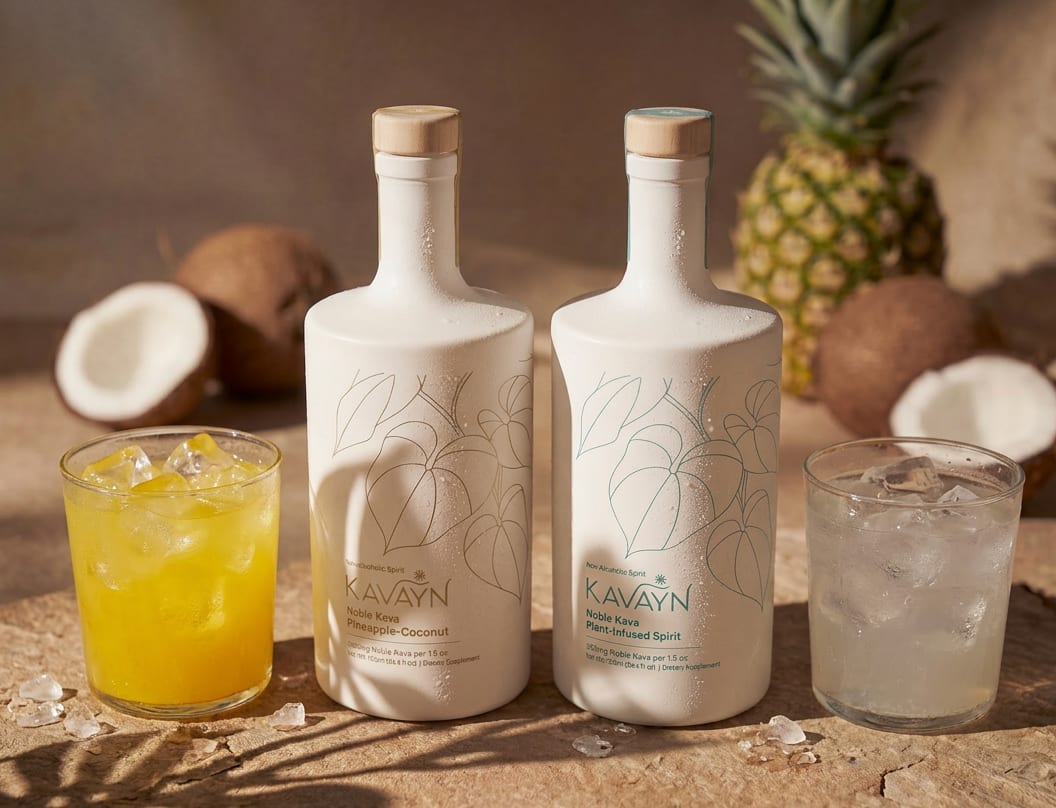
For beverage distributors and supply chain managers, the regulatory consolidation presents both a challenge and an opportunity. The clearance of existing hemp inventory creates shelf gaps that functional beverage brands are moving quickly to fill. Kavayn, a Tennessee-based functional beverage company, is positioning kava—a traditional botanical from South Pacific cultures—as a legally straightforward alternative to hemp and cannabinoid-based drinks.
Product Portfolio and Distribution Model
Kavayn's Vanilla-Hazelnut Snap Pack contains 250mg of noble kava extract per serving and retails for $49.99 for a 10-pack. The product can be consumed straight, mixed into cold brew coffee, or blended into smoothies. The company also markets noble kava extract products in formats including snap packs designed for addition to coffee and other beverages, as well as zero-proof spirits.
The company is currently available through Amazon and its direct website. Kavayn is affiliated with affiliate networks Awin and Skimlinks, which offer a 10% commission structure. This multi-channel approach reflects broader trends in beverage distribution as brands balance direct-to-consumer sales with traditional retail and foodservice partnerships.
Market Implications for Beverage Buyers and Distributors
The regulatory uncertainty surrounding hemp-derived beverages has created a genuine gap in the functional beverage category. The company positions kava as delivering "a calm, feel-good 'buzz' without a hangover." Operators managing shelf space for non-alcoholic alternatives now have a regulated botanical option with centuries of traditional use backing its safety profile.
For beverage buyers facing inventory decisions in the coming months, kava represents a legally uncomplicated choice as the hemp market consolidates. Distribution partners evaluating new SKUs should consider that kava products arrive with established regulatory clarity—a significant advantage as the November 2026 hemp deadline approaches and compliance costs rise across the supply chain.
For more insights and trends in the food and beverage sector, check out more articles in The Food & Beverage Magazine family of publications.
Written by FBM Publications Editors