A Vodka That Refuses to Pretend Fatty's Bottom Shelf Vodka has entered a crowded spirits market by deliberately rejecting the premium positioning that has defined celebrity alcohol brands. Rather than claim superior filtration, exclusive water sources, or a founder suddenly positioned as a master distiller, the brand leans entirely into irreverence. The origin story sets the tone: Fat Mike, the NOFX frontman, tasted several vodka recipes, found no meaningful difference between them, and instructed the distillers to choose the easiest one to produce. His friends' endorsement is reduced to three words: "I've had worse." That self-deprecating approach extends to pricing. At $37 per 750-milliliter bottle (80 proof), Fatty's Bottom Shelf sits above conventional value vodkas but well below luxury positioning. The brand's own product page immediately undercuts single-bottle sales with copy reading: "Not Recommended—Buy more, pay less."
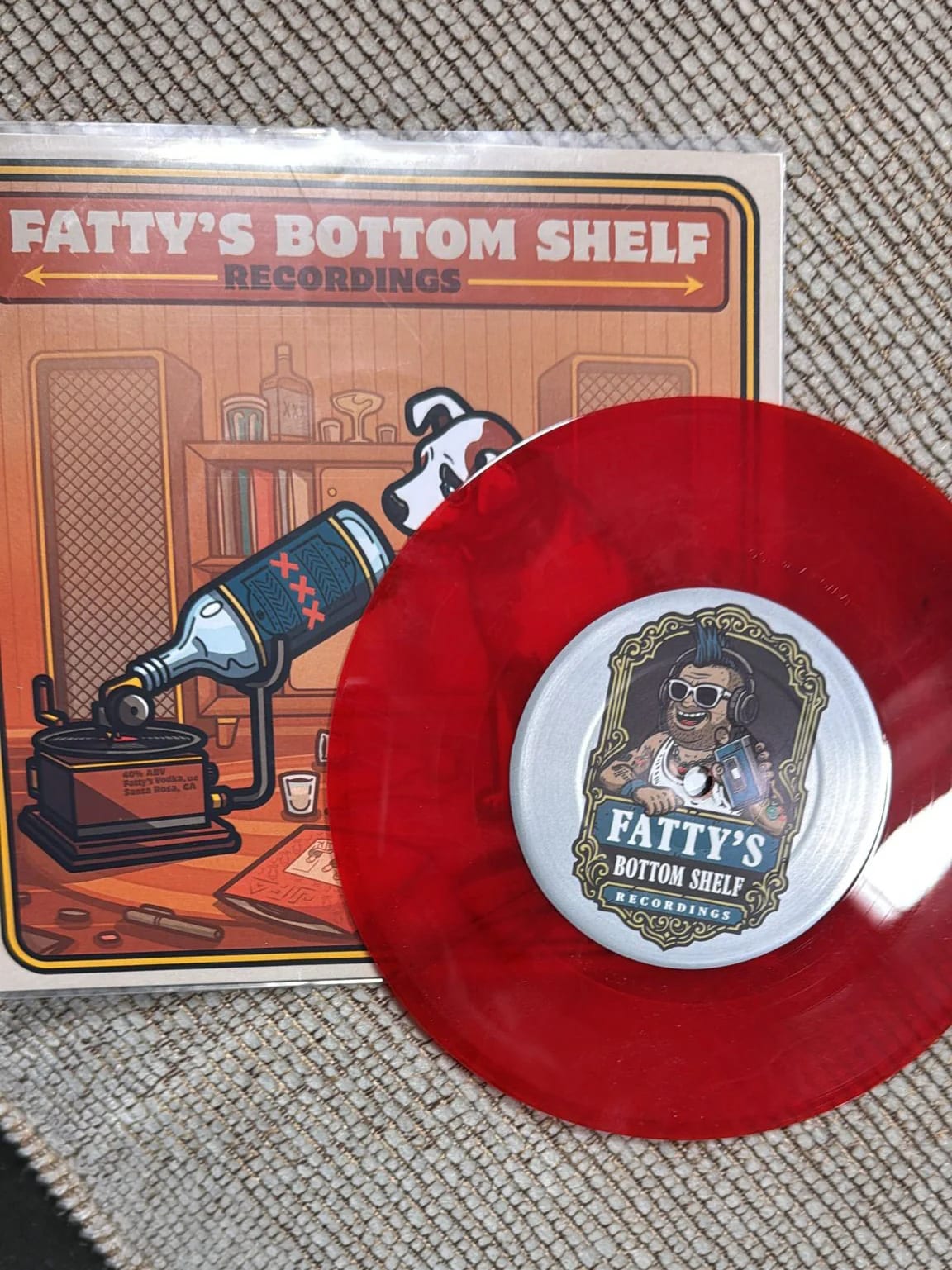
The Bundle Strategy The real innovation lies in tiered direct-to-consumer bundles that transform a vodka purchase into a collectible experience. Three bottles ($90) include an unofficial branded T-shirt. Six bottles ($170) add a limited-edition seven-inch vinyl with two unreleased songs and a branded shot glass. A 12-bottle case ($300) includes the shirt, vinyl, and two glasses. This approach mirrors direct-to-fan merchandising common in music rather than conventional spirits marketing. Consumers enter seeking vodka but exit with pieces of the Fat Mike universe.
Personality as Strategy The brand maintains its voice across every touchpoint.
The cocktail recipes—including "Fatty's AA Gimlet," "The Don't Call Me White Russian," and "Dr. Fatty's Bottom DDP" (vodka with Diet Dr Pepper and prunes on a stick)—extend the absurdist humor into consumption. Fat Mike has leveraged his existing social channels to promote product launches, communicating with customers through the same voice that created the brand. This sidesteps the conventional challenge facing celebrity spirits: explaining why a famous person suddenly knows how to make vodka.
Why It Matters
For restaurant and bar operators, Fatty's Bottom Shelf demonstrates that differentiation in spirits no longer requires technical superiority claims. A strong, consistent personality can create immediate merchandising opportunities and bartender talking points. The brand's refusal to use category-standard language—clean, smooth, refined, pure—leaves room for operators to own the conversation. The product may appeal particularly to music-driven venues, punk-themed events, and independent bars seeking spirits with built-in cultural narratives rather than luxury positioning.
For more insights and trends in the food and beverage sector, check out more articles in The Food & Beverage Magazine family of publications.
Written by FBM Publications Editors