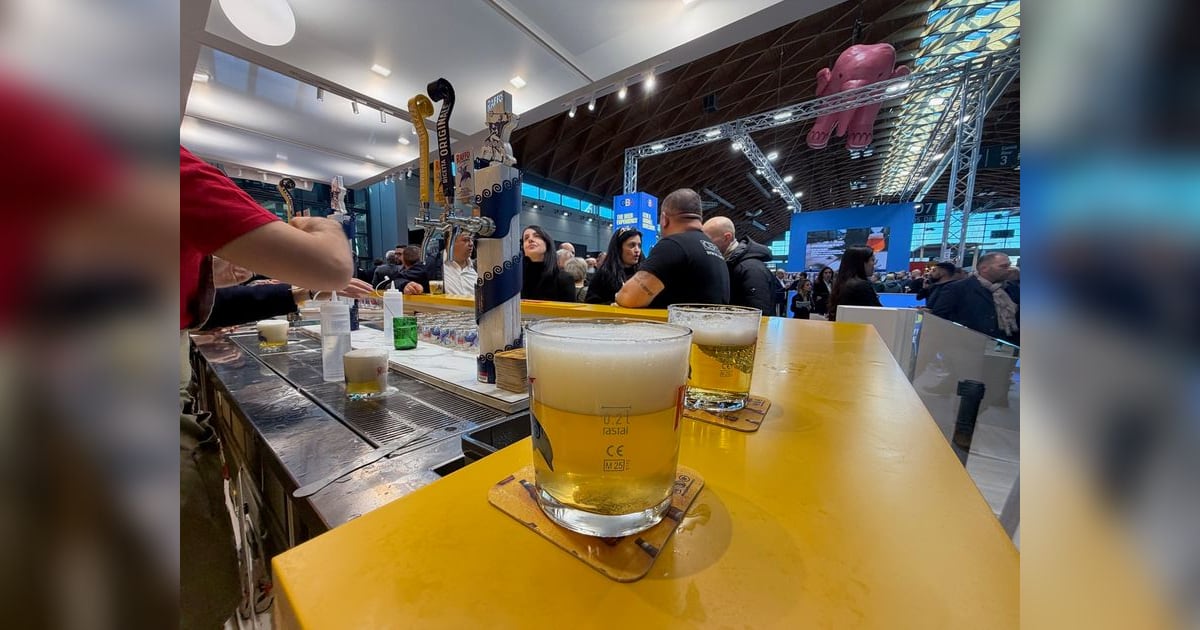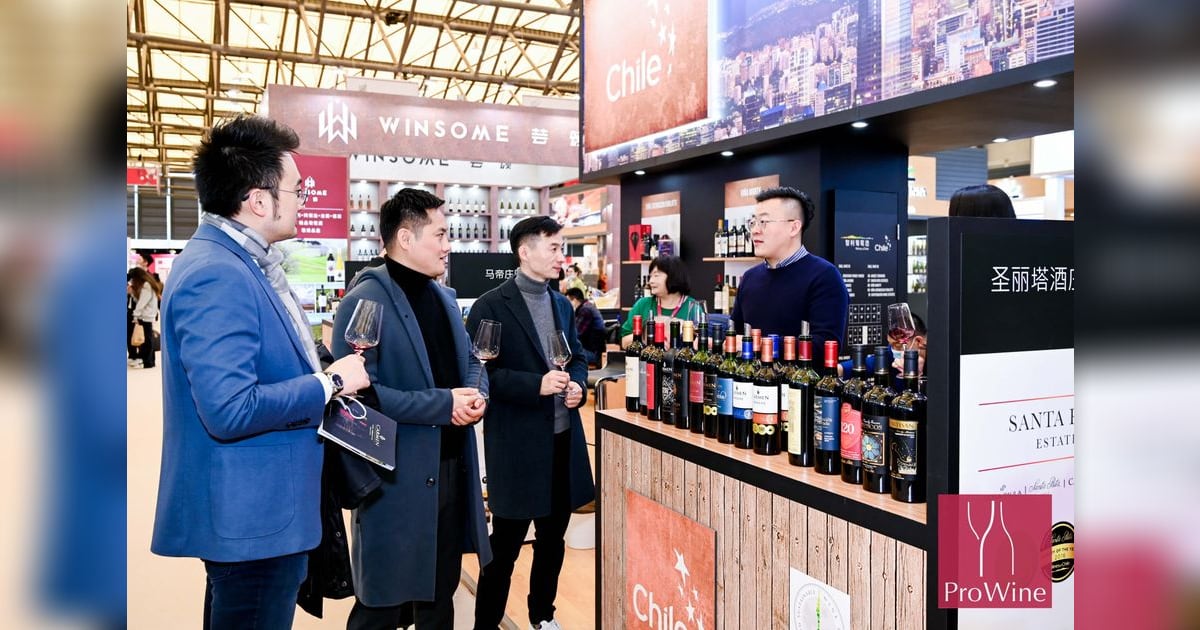
Trade Show Reflects Market Maturation in China ProWine Shanghai 2026 wrapped its three-day run at the Shanghai New International Expo Center with 21,800 trade visitors and 620 wine and spirits exhibitors representing 34 countries and regions. The event was held alongside FHC Shanghai Global Food Trade Show, pairing wine and spirits suppliers directly with foodservice, hospitality and retail buyers. The co-location strategy reflects a broader industry shift. "As drinking occasions become more diverse, the wine and spirits industry is increasingly connected with foodservice, hospitality and retail," said Ian Roberts, Senior Vice President, Asia Pacific at Informa Markets. "Bringing ProWine Shanghai and FHC together creates opportunities for businesses to reach buyers beyond traditional distribution channels and explore new areas of growth."
China's Market Demands Targeted Strategy China's wine market is consolidating around product differentiation rather than volume growth. Frank Schindler, Global Project Director of ProWein, observed: "The global wine and spirits industry is undergoing significant transformation. While markets face different challenges, the need for targeted business connections, knowledge exchange and long-term partnerships remains the same. As a leading international trade platform, we connects markets, wine regions and industry partners, bringing global resources closer to local needs. China remains a key part of our global strategy, and we will continue working with industry partners to explore new opportunities and support sustainable industry growth." Established wine regions from Germany, France, Italy, Spain, Austria and Portugal maintained their presence, joined by Australia, New Zealand, South Africa and California. Emerging producers from Georgia, Serbia, Moldova, South Korea and Albania expanded their showcases, signaling broader competition for Chinese import channels. Frederico Falcão, President of Wines of Portugal, noted the shift in buyer behavior: "Chinese buyers are becoming more selective, looking beyond quality and price for wines with distinctive character. With our diverse wine regions and indigenous grape varieties, we see great opportunities to connect with the right partners and introduce more Portuguese wines to the Chinese market through ProWine Shanghai."
Chinese Producers Build Quality Recognition Nearly 90 Chinese wineries participated, representing key regions including Xinjiang, Ningxia and Yantai, plus boutique producers and younger winemakers, including members of the Young Generation China Winemakers (YGCW). Themed tasting zones reflected evolving consumer preferences: the ProWine Fine Wine Club (premium selections), ProWine Zero+ (low- and no-alcohol beverages), ProWine Class Camping Zone (informal tastings and education), ProWine Bar & Bistro (immersive dining experiences), and an Orange Wine Zone created with Meiburg Wine Media. Education programming featured 10 Masters of Wine and Master Sommeliers, plus sessions on Spain's D.O. Yecla, Moldova, and Chinese fine wines. WSET, Dragon Phoenix Wine Consulting and other industry organizations delivered professional tastings and masterclasses.
Why It Matters
For operators and distributors, the event's expansion beyond wine-focused buyers signals a market reality: beverage programs now require integration with broader food and hospitality strategies. The shift away from volume-based competition toward differentiation and partnership means suppliers must invest in relationships with specific buyer segments rather than pursuing broad-market coverage.
For more insights and trends in the food and beverage sector, check out more articles in The Food & Beverage Magazine family of publications.
Written by FBM Publications Editors