Blind Tasting Model Replaces Traditional Wine Scoring MVA.wine, a new membership wine club founded by Laurent Vernhes (founder of Tablet Hotels), is shifting away from reputation-driven selection in favor of a discovery-focused model centered on independent winemakers. Instead of relying on scores, labels, or prestige to guide selections, each quarterly release centers on a unifying theme meant to tell a story. The membership is intentionally limited to create a community around curiosity and access to hard-to-find bottles.
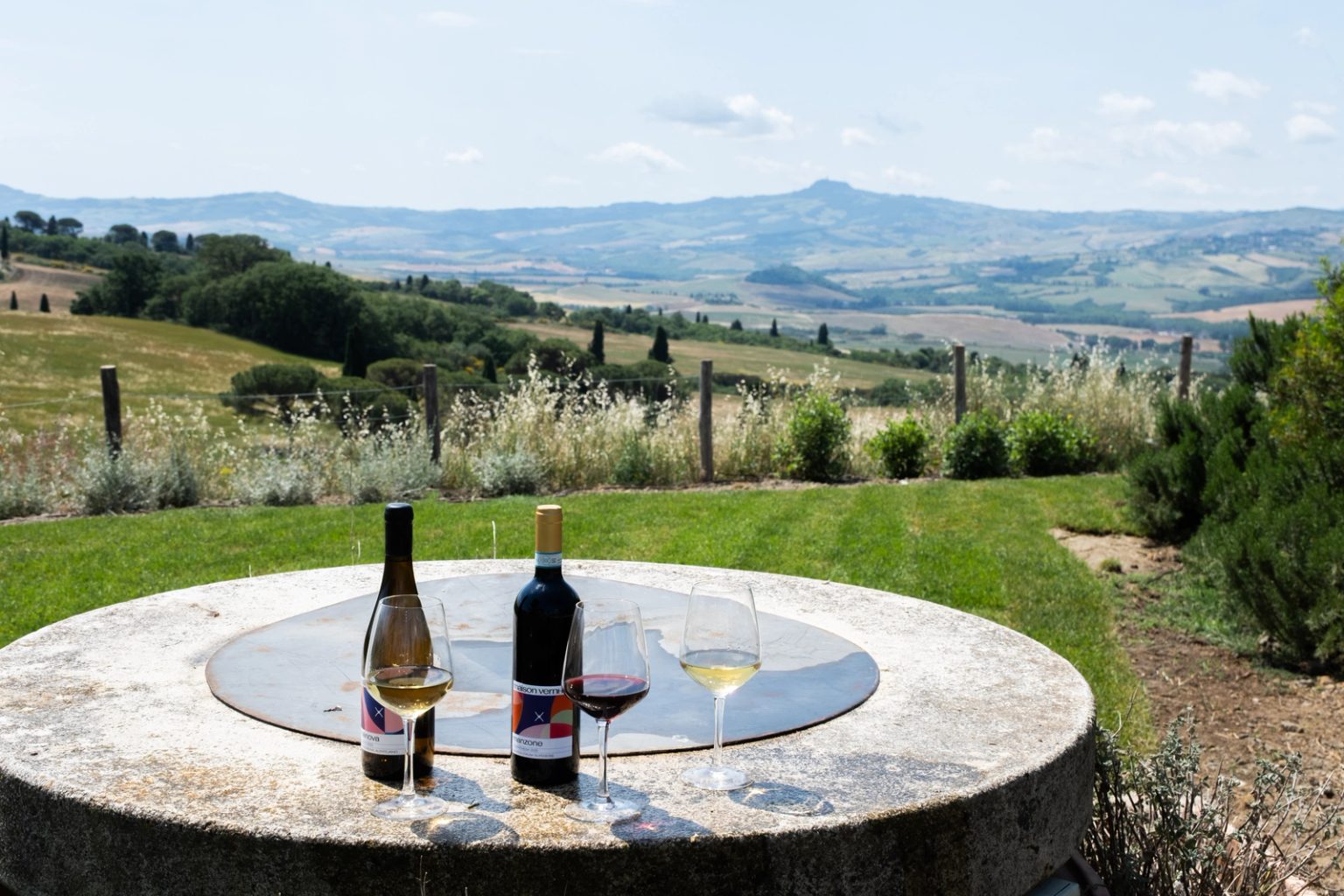
How the Curation Process Works Every three months, the MVA.wine team gathers at maison vernhes, a restored farmhouse in Tuscany's UNESCO-listed Val d'Orcia, to conduct blind tastings. The process involves concealing more than 50 wines from independent producers in black sleeves, with judges blind to winery, region, grape variety, and reputation. Only six wines earning unanimous approval make it into the next collection. "Rather than focusing on scores, labels, or prestige, each release is built around a unifying theme that invites members to discover wine through storytelling, craftsmanship, and the people behind each bottle," according to the company. Vernhes created the club to make exceptional wine more approachable while giving small-production winemakers a platform that traditional retail and wine clubs typically do not provide.
Why It Matters
The wine club market has long been dominated by score-based selection and established labels. A membership model emphasizing provenance and winemaker story—paired with a rigorous blind-tasting filter—offers a differentiated approach that could appeal to consumers seeking discovery over prestige.
For more insights and trends in the food and beverage sector, check out more articles in The Food & Beverage Magazine family of publications.
Written by FBM Publications Editors