From Lightning Strike to Retail Shelves Lemonati Lemonades has entered the U.S. beverage market with a backstory rooted in Argentina's Tucumán region, one of the world's largest lemon-growing areas. According to the company, a lightning strike decades ago struck a lemon tree in the region, producing fruit that was naturally sweeter, less acidic, and smoother than typical varieties. The tree was propagated to preserve those characteristics, eventually becoming the foundation for Lemonati's product line. The company maintains direct control over its supply chain through a family-owned lemon-growing and processing operation with more than 60 years of experience. Fruit is concentrated near the orchards and brought to the United States for production, a vertical integration that the brand says preserves flavor consistency and ingredient transparency.
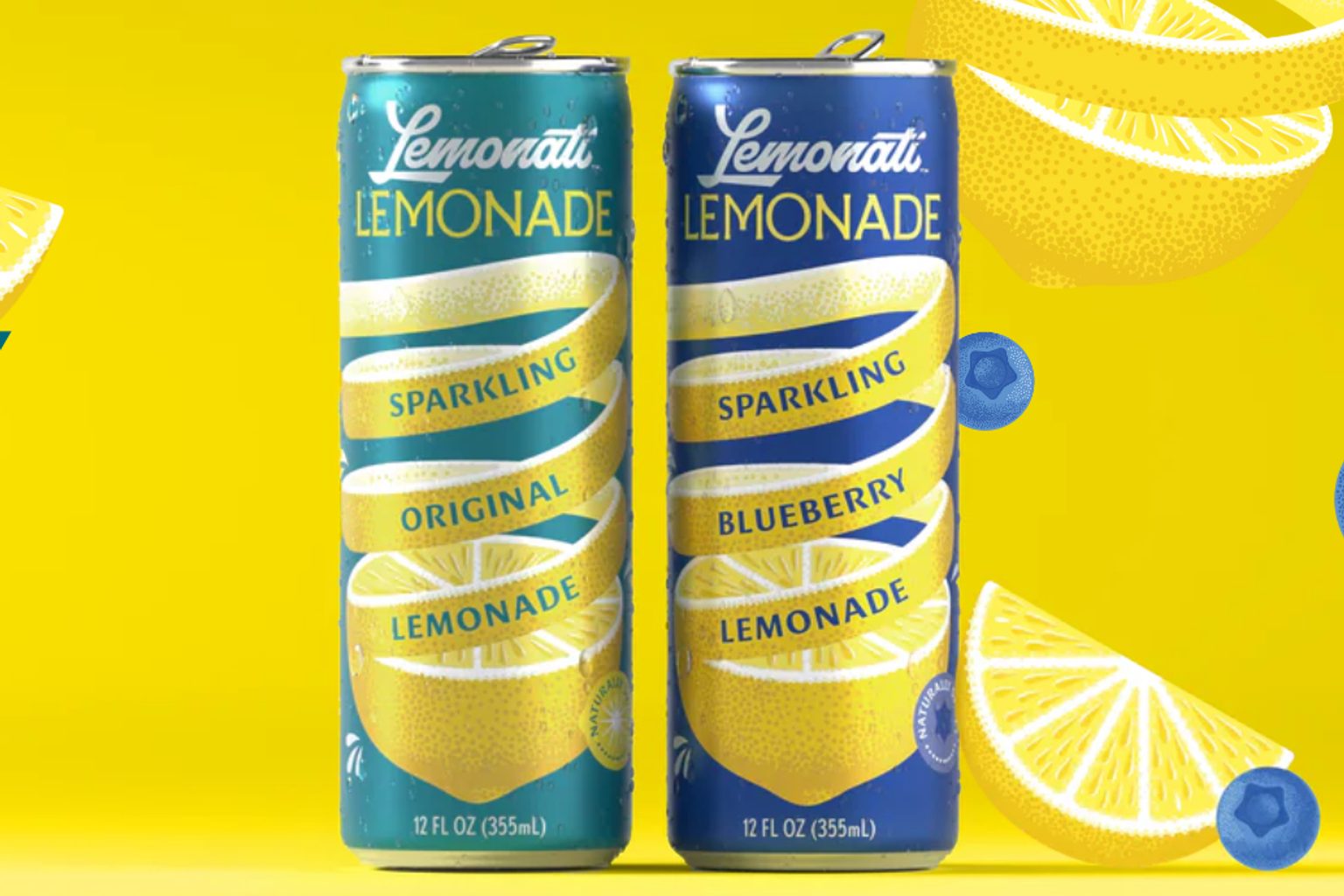
Product Portfolio and Positioning Lemonati's Sparkling Lemonade line features Original and Blueberry varieties designed to deliver crisp, carbonated refreshment with approximately 45% fewer calories and 50% less sugar than leading traditional lemonade products. The brand is also Non-GMO Project Verified, gluten-free, vegan and kosher. The company has also introduced Hoot Juice, a children's line packaged in 7.5-ounce mini cans for lunchboxes and family occasions.
Retail Expansion Lemonati products are now available at Target, H-E-B, The Fresh Market, Sprouts, Amazon, and Walmart's e-commerce platform. The distribution reflects retailer interest in beverages with traceable sourcing, recognizable ingredients, and reduced-sugar formulations.
Why It Matters
Lemonati enters a crowded segment dominated by flavored sparkling water, traditional lemonades, and sodas.
By centering the story on agricultural heritage and a specific fruit variety rather than exotic flavor combinations or functional ingredients, the brand is gambling that origin and simplicity can compete with established players. For operators, the positioning—lower sugar without artificial sweetener reliance, multiple package formats, and verifiable sourcing—addresses retail trends toward transparency and health-conscious consumption.
For more insights and trends in the food and beverage sector, check out more articles in The Food & Beverage Magazine family of publications.
Written by FBM Publications Editors