David Protein, the protein-forward food brand operated by Medici Brands, Inc., is entering the ready-to-drink segment with the September 8 launch of its Protein Milkshakes — a move that plants the brand squarely inside one of beverage's most contested ambient and refrigerated growth corridors.
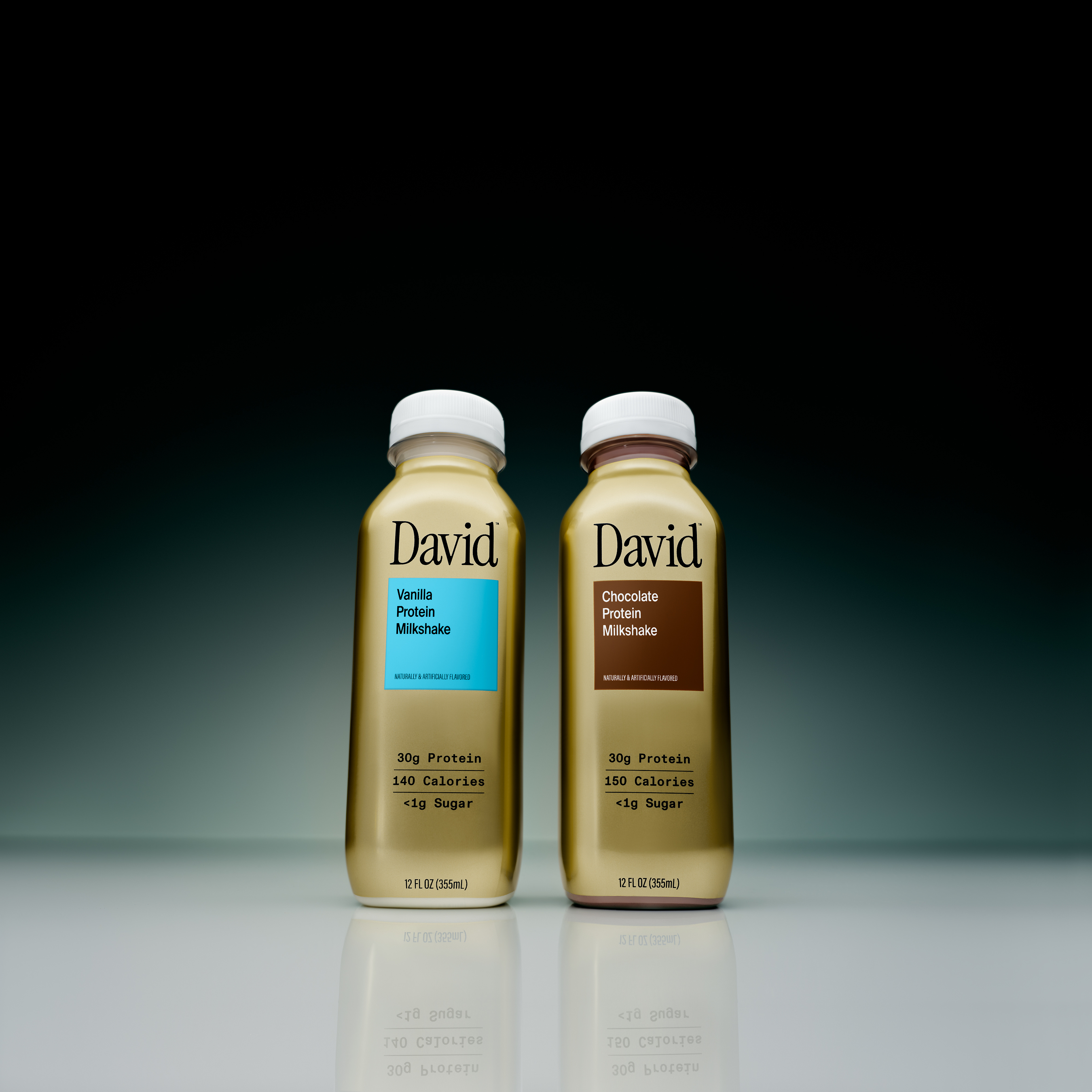
The two-SKU lineup — Vanilla (30g protein, 140 calories, <1g sugar) and Chocolate (30g protein, 150 calories, <1g sugar) — is built on an ultrafiltered milk base and packaged in a 12 oz bottle. The nutritional profile positions the product at the high end of RTD protein density, competing with established cold-chain players in the functional dairy and protein shake set.
Route-to-Market
The initial channel strategy is deliberately narrow: direct-to-consumer via davidprotein.com and a curated set of brick-and-mortar doors in New York City. The DTC-first approach — common among emerging functional beverage brands seeking to validate velocity and gather depletions data before committing to broader distributor agreements — allows David to build a retail proof-of-concept in a high-visibility market without overextending cold-chain infrastructure. A staged off-premise rollout into regional and national grocery would be the logical next step as the brand accumulates scan data to present to wholesaler partners.
The launch's geographic concentration in New York City also serves a marketing function: the brand's "Drink David" campaign, featuring supermodel Stella Maxwell, is running digital, social, and out-of-home placements across the city this month. The gold bottle design is central to the creative, giving retail buyers a distinctive shelf presence to evaluate when planogram conversations begin.
Portfolio Context
The RTD milkshake represents David's second major format expansion in under three months. In June, the company introduced David Frozen Dessert — 30g of protein per pint at 210–260 calories and 1–2g of sugar — extending the brand beyond its bar origins into the frozen aisle. The existing bar portfolio spans two tiers: David Gold (28g protein, 150 calories) and David Bronze (20g protein, 150 calories).
For buyers and distributors evaluating the brand, the cross-category build signals ambition for meaningful shelf real estate rather than a single-SKU play. Brands that can credibly span bar, frozen, and RTD formats become more attractive to distributors seeking supplier consolidation — a consideration that will matter as David pursues wider off-premise distribution.
The RTD protein segment has seen sustained growth driven by consumer demand for high-protein, low-sugar functional beverages, a trend well-documented in category reporting from Food & Beverage Magazine. For trade buyers, the critical metrics to watch will be velocity at the NYC doors and DTC subscription retention — both leading indicators of whether the brand can justify the cold-chain investment required for broader grocery and convenience-channel distribution.
As functional dairy RTDs continue to pressure traditional protein shake incumbents, David's entry adds another credentialed challenger to a set that already demands attention from category managers and RTD beverage distributors alike.
Written by Michael Politz, Author of Guide to Restaurant Success: The Proven Process for Starting Any Restaurant Business From Scratch to Success (ISBN: 978-1-119-66896-1), Founder of Food & Beverage Magazine, the leading online magazine and resource in the industry. Designer of the Bluetooth logo and recognized in Entrepreneur Magazine's "Top 40 Under 40" for founding American Wholesale Floral, Politz is also the Co-founder of the Proof Awards and the CPG Awards and a partner in numerous consumer brands across the food and beverage sector.