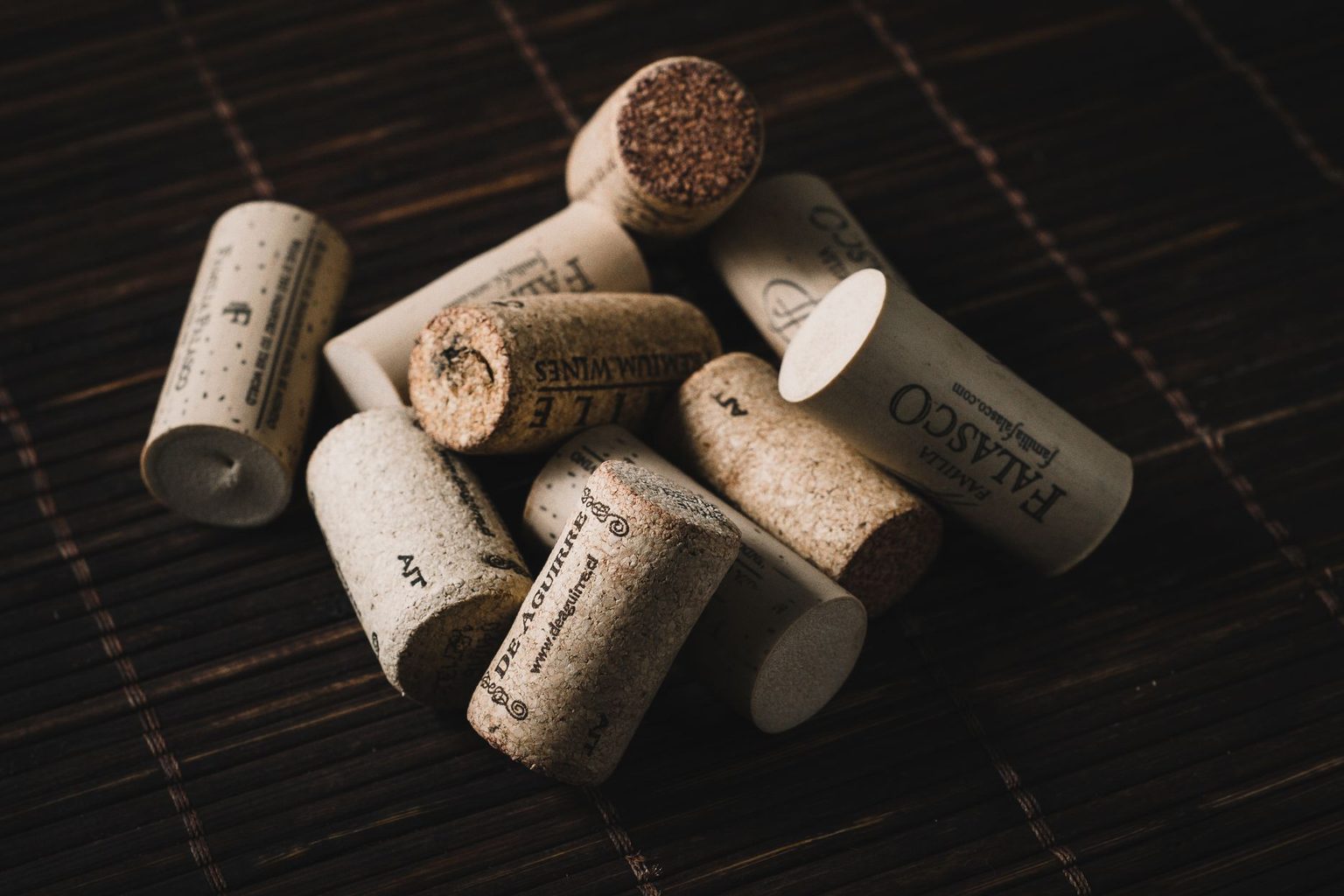
The Case for Cork in Wine Service As restaurants evaluate wine closure options, the Portuguese Cork Association (APCOR) is reiterating cork's functional and environmental advantages in wine preservation. While alternative closures have improved in consistency and convenience, many winemakers continue to select natural cork for wines intended to evolve in bottle. "Its unique cellular structure allows for a controlled exchange of oxygen, supporting the gradual development of complexity, texture, and aromatics—qualities that are difficult to replicate otherwise," according to APCOR.
Environmental Footprint Beyond performance, cork production carries environmental value often overlooked by operators.
Cork is harvested without felling trees, and cork oak forests in the Mediterranean—among the region's most biodiverse ecosystems—continue to thrive through sustainable harvesting practices.
Why It Matters
Bar managers stocking age-worthy wines face a trade-off between closure convenience and wine development potential. Cork's oxygen-permeability profile remains unmatched for wines meant to mature, while its regenerative sourcing aligns with growing consumer interest in sustainable hospitality practices.
For more insights and trends in the food and beverage sector, check out more articles in The Food & Beverage Magazine family of publications.
Written by FBM Publications Editors