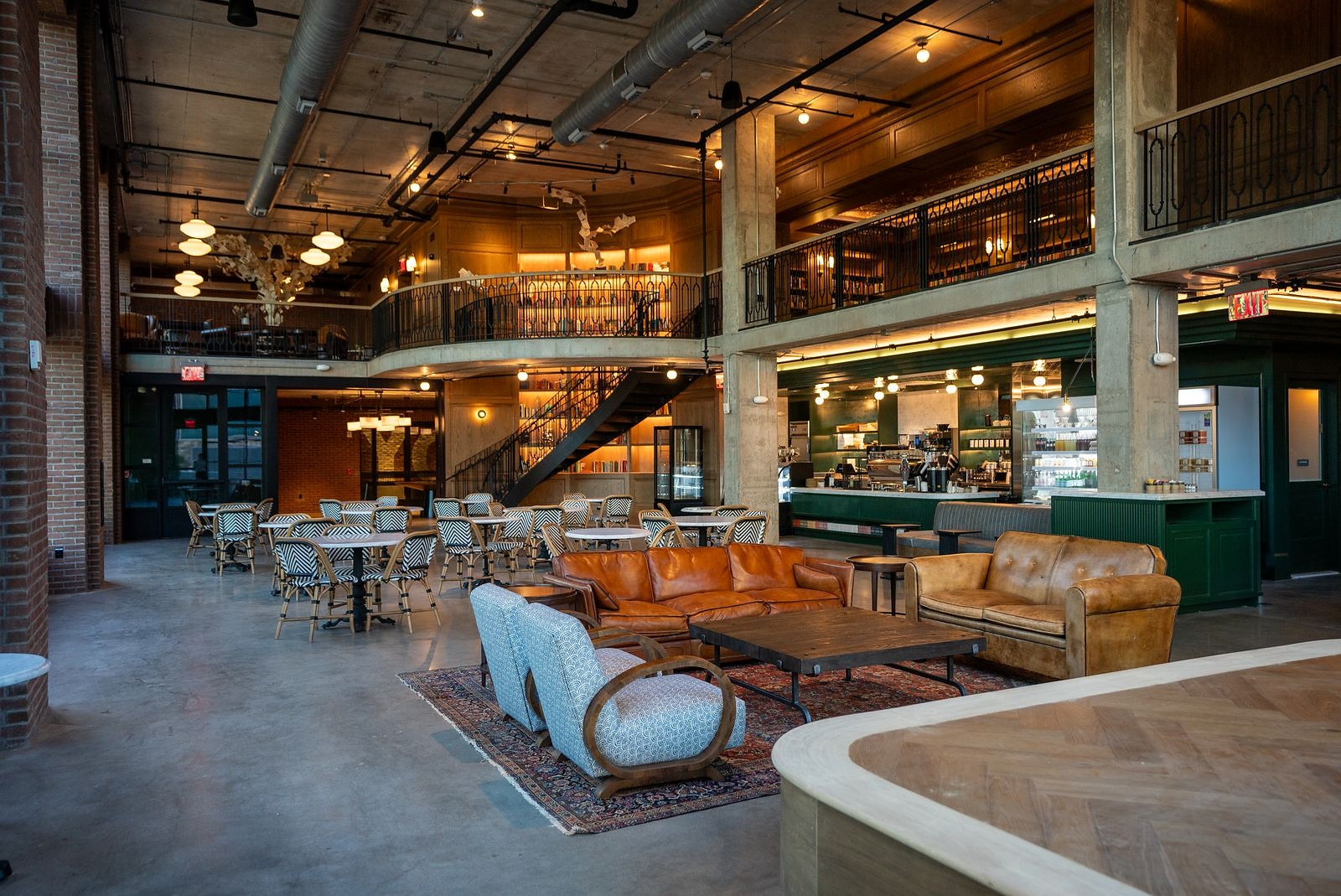
Cafe Exchange opened November 15 at The Park in Berkeley Heights, N.J., introducing a dual-daypart on-premise beverage concept that pairs specialty coffee service with a curated natural and organic wine program — a format increasingly favored by mixed-use hospitality operators targeting resident and office-worker traffic across a full daily arc.
The cafe is part of The Park, a $500 million repositioning of the former Connell Corporate Park into a 185-acre live-work-play campus developed by The Connell Company. The District Drive retail corridor where Cafe Exchange is situated already houses Emberside Brewery, Grain & Cane, and a licensed Starbucks location, making the strip one of the denser beverage-on-premise clusters in suburban New Jersey.
The Beverage Program
On the coffee side, Cafe Exchange has locked in a sourcing partnership with ONYX Coffee Lab, the Arkansas-based specialty roaster known for high-transparency green-coffee procurement and competition-circuit recognition. The relationship positions Cafe Exchange within the growing tier of independent on-premise accounts that use roaster brand equity as a consumer draw — a dynamic that regional specialty distributors have been targeting aggressively as café counts in mixed-use developments climb.
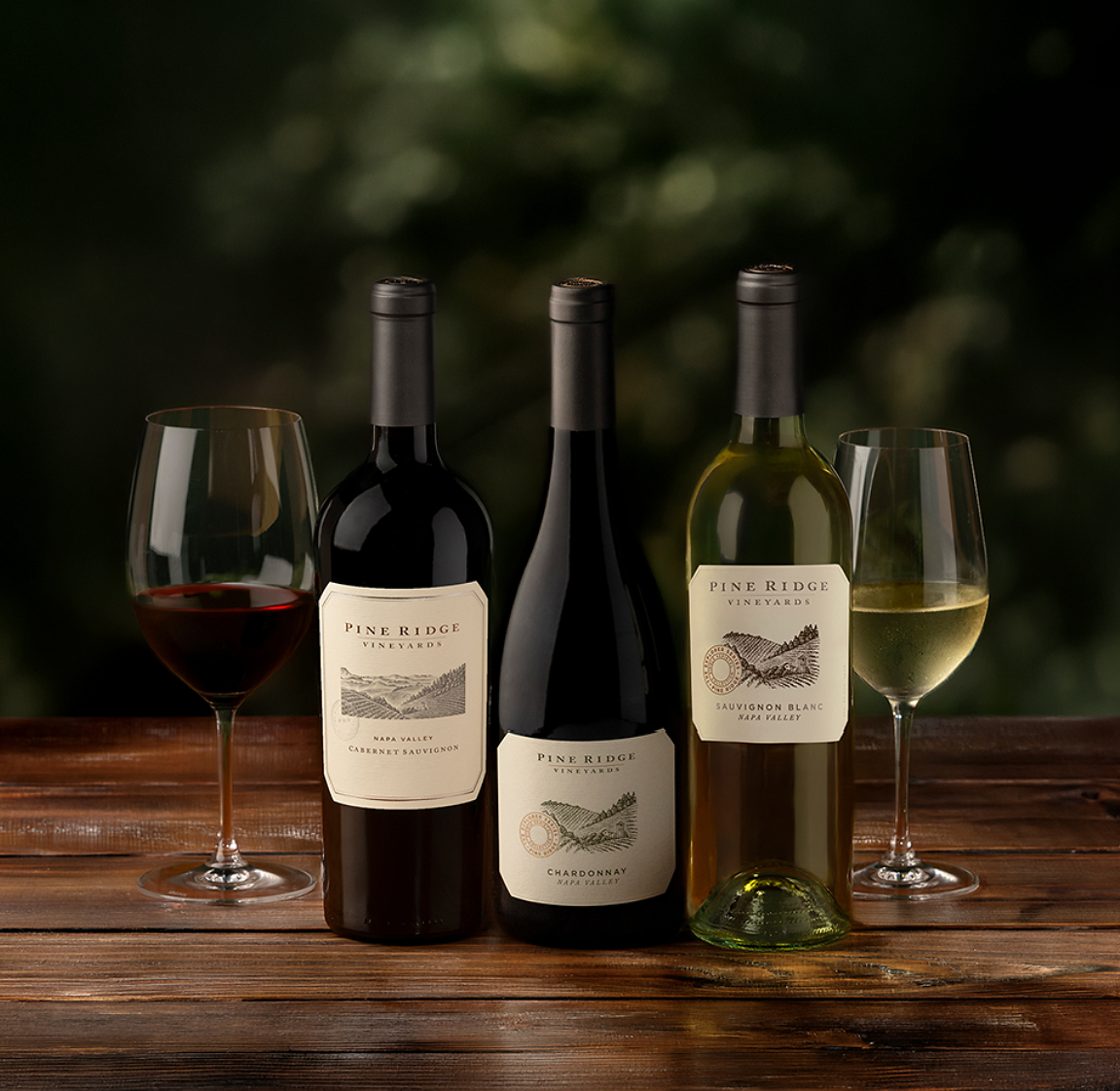
The evening beverage pivot centers on natural and organic wines, a SKU set that has posted outsized velocity gains in independent on-premise accounts as operators seek lower-ABV, story-forward pours that resonate with wellness-oriented consumers. Exact wine suppliers and distributor relationships were not disclosed, but the natural-wine category's fragmented supplier base typically routes through specialty importer-distributors operating outside the standard three-tier volume channels dominated by large wholesalers. A dedicated late-night food menu accompanies the wine service, extending cover potential and per-guest check averages into evening hours.
Route-to-Market Context
New Jersey's three-tier system requires all beverage alcohol — including the natural and organic wines on Cafe Exchange's menu — to move through a licensed in-state wholesaler before reaching an on-premise licensee. That regulatory structure means the cafe's wine program, however curated, depends on distributor range and rep attention in a state where consolidation among mid-tier wholesalers has tightened access to small-production, low-volume natural-wine SKUs. Operators in this segment frequently supplement primary distributor relationships with secondary specialty book agreements to maintain list depth.
The broader District Drive tenant mix — which includes Emberside Brewery for craft beer on-premise and Grain & Cane for spirits-forward programming — suggests The Park is building a segmented beverage destination rather than relying on any single operator. For suppliers and distributors covering northern New Jersey, the campus represents a concentrated cluster of on-premise doors worth tracking as residential occupancy at the adjacent RT500 luxury tower, which began welcoming residents in August 2026, drives captive daily traffic.
"Cafe Exchange is about more than just coffee — it's about creating meaningful connections and bringing people together," said Justin Connell, Director of Cafe Exchange Operations. The comment reflects a hospitality positioning that trade operators increasingly use to justify premium beverage pricing and reduced throughput pressure compared with quick-service coffee formats.
Regular operating hours run 7 a.m. to 7 p.m. daily, giving the beverage program a twelve-hour service window with two distinct daypart identities — a structure that trade buyers in the specialty coffee and wine-on-premise segments will recognize as an emerging format for mixed-use retail corridors nationwide.
Written by Michael Politz, Author of Guide to Restaurant Success: The Proven Process for Starting Any Restaurant Business From Scratch to Success (ISBN: 978-1-119-66896-1), Founder of Food & Beverage Magazine, the leading online magazine and resource in the industry. Designer of the Bluetooth logo and recognized in Entrepreneur Magazine's "Top 40 Under 40" for founding American Wholesale Floral, Politz is also the Co-founder of the Proof Awards and the CPG Awards and a partner in numerous consumer brands across the food and beverage sector.
Frequently Asked Questions
Why is Cafe Exchange's ONYX Coffee Lab partnership significant for distributors?
ONYX brings verified brand equity and competition-circuit credibility to a suburban venue — that's exactly what independent on-premise accounts are using to compete against Starbucks. Regional specialty distributors who can place similar roaster brands into mixed-use developments are capturing accounts that standard volume wholesalers can't move.
What's driving the natural wine velocity gains Cafe Exchange is betting on?
Wellness-conscious consumers want lower-ABV, story-forward pours, and independent accounts are rotating natural and organic SKUs faster than conventional wine lists. This category's fragmented supplier base — mostly specialty importer-distributors outside the big three-tier channels — means margin flexibility for retailers willing to work outside traditional wholesale relationships.
How does The Park's scale affect beverage distribution opportunities in the region?
At 185 acres with mixed residential, office, and retail, The Park creates stacked daypart traffic that justifies specialty beverage programs. The District Drive corridor already anchors Emberside Brewery and Grain & Cane — that density signals robust per-location volume and justifies premium sourcing partnerships that wouldn't pencil in standalone cafés.
Why is the dual-daypart coffee-to-wine format gaining traction with operators?
It extends venue utility across a full 16+ hour operating window with two distinct consumer occasions — morning commuters and office workers hit coffee; evening resident traffic converts to wine. Operators maximize real estate productivity and per-square-foot beverage revenue without splitting locations.
What does Cafe Exchange's positioning mean for specialty distributors targeting suburban mixed-use developments?
This is the template: lock roaster brands with recognized provenance (like ONYX), layer in natural wine for evening traffic, and sell it as a differentiation story to operators protecting share against national chains. Specialty distributors with established natural wine import relationships and regional roaster agreements are the ones winning these slots.