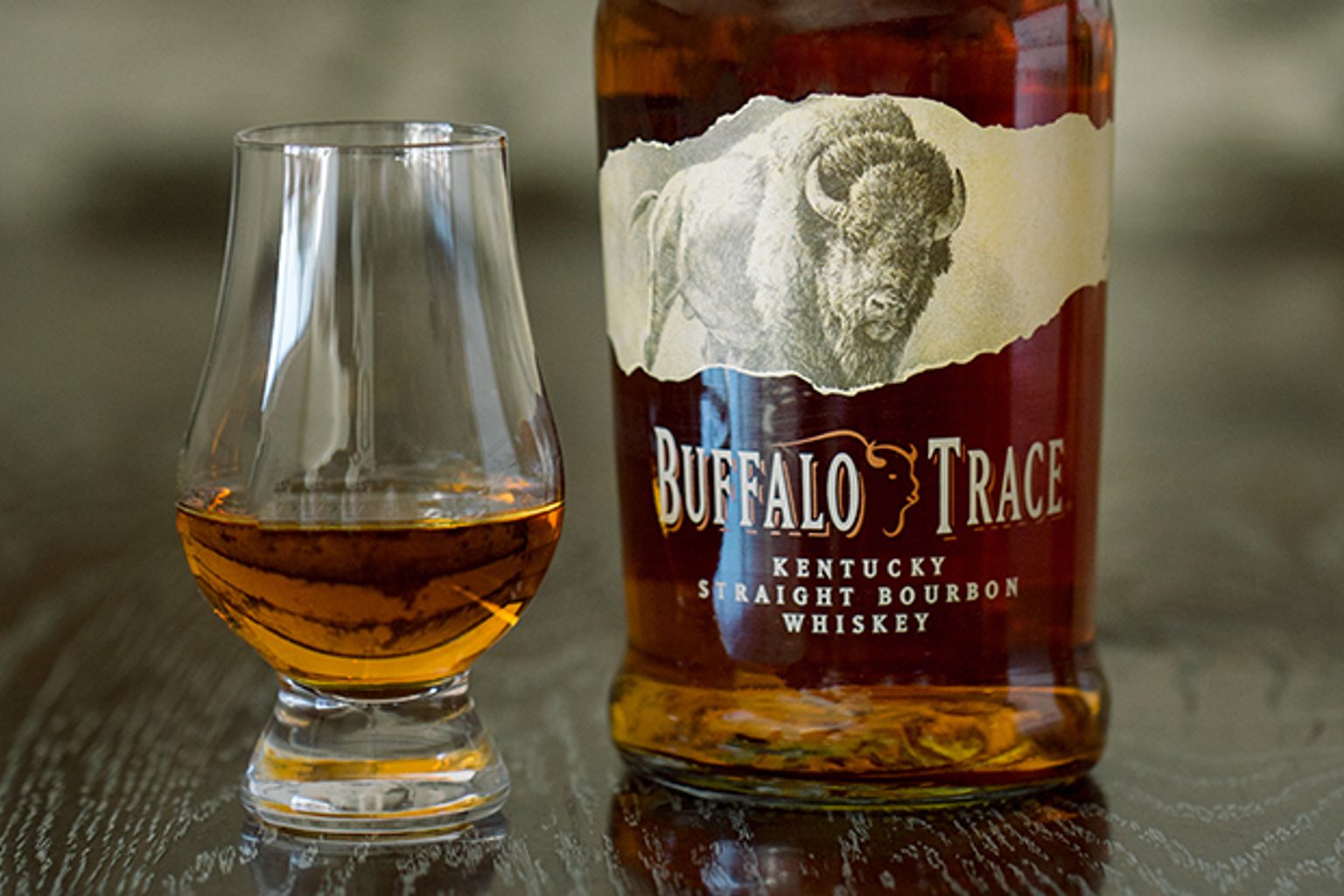
Honoring Medicinal Whiskey History Buffalo Trace Distillery has released the third edition of its Prohibition Collection, an annual limited-edition set of five 375ml bottles commemorating whiskeys legally produced and sold at the Frankfort, Kentucky facility while the 18th Amendment was in effect from 1920 to 1933. While most American distilleries were forced to shut down during Prohibition, the U.S. Government granted six licenses to bottle medicinal whiskey for sale with a prescription. Buffalo Trace—then known as George T. Stagg Distillery—was one of six facilities permitted to operate legally during this period under the leadership of President Albert B. Blanton.
Five Historic Brands Reimagined This year's collection honors five historic brands drawn from archival documents preserved at the distillery: Henry Watterson — A Kentucky Straight Rye Whiskey bottled uncut and unfiltered at 140.6 proof, named after the U.S. Congressman and Pulitzer Prize-winning journalist known for his anti-Prohibition stance. The release offers "rye spice, citrus peel and fresh green herbs" on the nose, with "zesty citrus, cedarwood and herbaceous notes of thyme and mint" on the palate, "finishing long, dry and energetic." Kentucky River — A 100 proof blend of Kentucky Straight Whiskeys paying tribute to the former Kentucky River Distillery, which tripled in size under Blanton's leadership. It "offers aromas of honeyed grain, vanilla and caramelized sugar" with a palate that "showcases baked apple and gentle oak, finishing smooth and polished with warm pastry notes." John G. Carlisle — A 100 proof Kentucky Straight Bourbon named after the U.S. Congressman and architect of the Bottled-in-Bond Act of 1897. The expression presents "classic bourbon structure, layering rye-driven spice over toasted nuts and caramelized grain" with "bright orchard fruit and subtle tropical notes balanced by vanilla, oak and warm baking spices," finishing "dry and with lingering spice, light nuttiness and a restrained sweetness." Walter B. Duffy — A blend of 10- and 14-year-old Kentucky Straight Bourbons bottled at 107 proof, honoring the sole owner of the O.F.C. Distillery who appointed Blanton as president in 1921. It "opens with notes of graham cracker, toasted corn and oak, layered with dried fig, raisin and date" with a "long, refined finish accented by dried fruit and gentle spice." Cove Spring — An uncut Kentucky Straight Bourbon crafted from a wheated recipe and bottled at 120.2 proof, named for the spring that supplied water to the distillery since 1804. The expression "offers aromas of red cherry, toasted coconut and oak" with a palate that is "rich and fruit-forward, layered with sweet corn and spice."
Presentation and Distribution Each bottle is housed in a custom wooden display case featuring archival imagery from the distillery's history. The 375ml bottles recreate the look and scale of their Prohibition-era predecessors, and cartons include the distinctive prescription cut-out once used by physicians to authorize medicinal whiskey purchases. Buffalo Trace Master Distiller Harlen Wheatley said: "The Prohibition Collection gives us the opportunity to bring important chapters of our Distillery's history back to life. Each year, we uncover stories, brands and whiskey traditions that might otherwise have been lost to time. By reimagining these historic whiskeys, we honor the resilience, ingenuity and determination that carried this Distillery through one of the most challenging periods in American whiskey history and helped shape the legacy we continue today." The collection will be released in limited quantities through Sazerac's U.S. distributor network starting in June 2026 at a suggested retail price of $999.99 for the five-bottle set; state taxes vary by market.
Why It Matters
The Prohibition Collection taps into growing consumer interest in heritage spirits and historical storytelling—a marketing strategy that allows premium distilleries to command higher price points while educating consumers about American whiskey regulations and the distillery's role in maintaining production during an era when most competitors were forced to close.
For more insights and trends in the food and beverage sector, check out more articles in The Food & Beverage Magazine family of publications.
Written by FBM Publications Editors